Hot flashes during menopause, severe period pain, or an unfulfilled desire to have children—a hormonal imbalance can cause all of these. But what helps? Hormone replacement therapy isn't an option for many women. So, they seek a natural remedy: medicinal mushrooms! Mushrooms and plants can help restore hormonal balance. We'll tell you how.

Hormones are chemical messengers that transmit various pieces of information within the body and possess regulatory properties. Among other things, they control our sense of hunger, metabolism, fluid balance, pregnancy, and sexual function. Interestingly, a single hormone can have different effects on different cells. One example is thyroid hormone. It has a healing effect on damaged muscles, regulates the heartbeat, and simultaneously activates metabolism. Hormones also interact with each other, as they are linked in feedback systems. Four glands are primarily responsible for hormonal balance in women: the hypothalamus, pituitary gland, thyroid gland, and adrenal cortex, all of which are interconnected.
Women notice the influence of hormones particularly clearly during their menstrual cycle. The enormous influence on the body is also evident during pregnancy. But let's start from the beginning. What is the function of each hormone?
This refers to a whole group of hormones. The best-known representative is estradiol. They are produced in the ovaries, the adrenal cortex, and, during pregnancy, in the placenta. This production is triggered by follicle-stimulating hormone (FSH) from the pituitary gland. Estrogens primarily regulate the menstrual cycle. Their levels fluctuate due to the cycle. Estrogen levels rise in the first half of the cycle. The increase is particularly high shortly before ovulation. Afterward, the levels fall again. During menopause, estrogen levels naturally decline.
Other effects of estrogens include:
This hormone is produced in increased amounts in the ovaries, or more precisely, in the corpus luteum, after ovulation. It prepares the uterine lining for pregnancy and maintains it. At the beginning of a pregnancy, progesterone is produced in the corpus luteum; later, it is produced in the placenta.
You probably associate this hormone with men, but it's also present in the female body and influences hormonal balance. Testosterone is the precursor to estradiol and is produced in the adrenal cortex. Regardless of gender, it plays a role in muscle growth. Testosterone levels decline during and after menopause.
This hormone is produced in the adrenal cortex and belongs to the steroid hormones. It is known as the stress hormone because it is released in stressful situations. Cortisol leads to an increase in blood sugar, keeps us awake, increases respiratory rate and blood pressure, and has a number of other functions that contribute to the fight-or-flight response.
As the name suggests, these hormones are produced in the thyroid gland. They influence metabolism and energy balance. They also trigger the release of adrenaline, which in turn is linked to the production of estrogen and testosterone. A high cortisol concentration in the blood inhibits the production of thyroid hormones. In other words, stress has a significant impact on your hormonal balance.

The hormonal system is complex and actually quite ingenious. But when it gets out of balance, it can have far-reaching consequences. In principle, both an excess and a deficiency of hormones are possible. You can notice this through a wide variety of symptoms. Fatigue, sleep disturbances, increased susceptibility to infections, mood swings, or an irregular menstrual cycle are all signs. Almost every woman experiences a hormonal imbalance at some stage of life. Puberty, pregnancy, and menopause are such phases. During these times, the body is changing and loses its previous equilibrium until a new balance is established. But hormones can also go haywire at other stages of life. There are many causes for this. From illnesses and stress to environmental toxins, they can all be reasons for your hormonal problems.
A hormonal imbalance can turn your entire life upside down. In severe cases, it can even lead to depression. If you notice that something is wrong with your body, seek medical advice. Once you know the cause of your symptoms, you can take targeted action. This doesn't necessarily have to involve medication. In some cases, medicinal plants and mushrooms are sufficient.
You can give your body excellent support when dealing with hormonal imbalances. This can be achieved with medicinal plants like chaste tree or lady's mantle, a healthy diet, sufficient vitamins and minerals (especially vitamin D and iodine), and medicinal mushrooms. You don't have to choose just one method, as combining them achieves the best results. We will now show you the current state of knowledge about medicinal mushrooms and hormones.
Are medicinal mushrooms still a big question mark for you? Then learn more about them in our blog → Medicinal Mushrooms: Effects with a Long Tradition
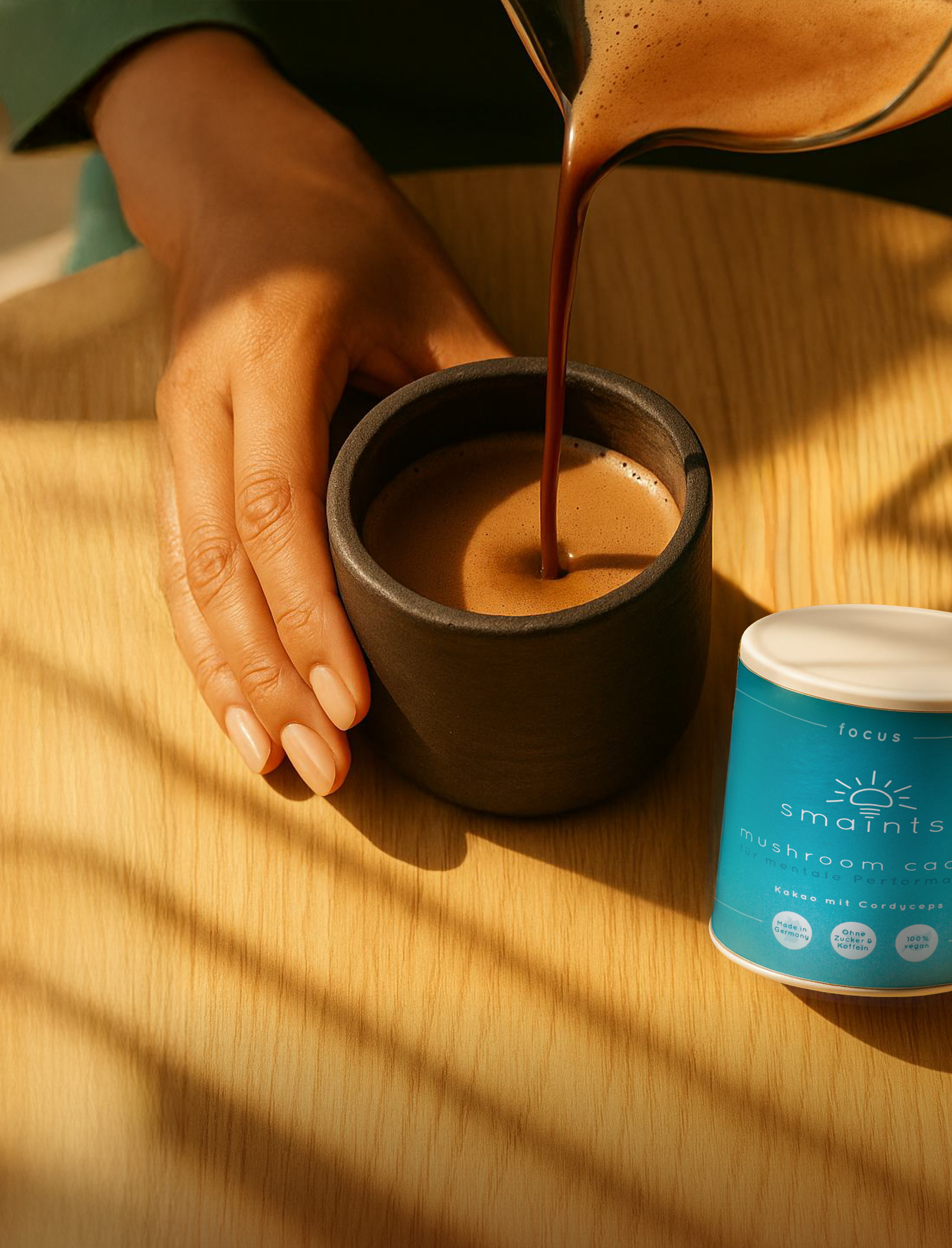
For many women, menopause is a very challenging time. Approximately one-third suffer from severe symptoms. Hot flashes, mood swings, vaginal dryness, and more are part of their daily lives. However, few resort to hormone replacement therapy (HRT) because of the deterrent side effects. Therefore, there is considerable scientific interest in natural alternatives. The medicinal mushroom Cordyceps (caterpillar fungus) is beneficial during menopause for two reasons: In traditional Chinese medicine, the mushroom has long been known to increase libido. This has also been confirmed in studies. Researchers have found, for example, that Cordyceps stimulates estradiol production. Furthermore, it is known that the mushroom can increase oxygen uptake. This leads to improved concentration and increased physical performance. Thus, nothing stands in the way of greater focus and energy during menopause.

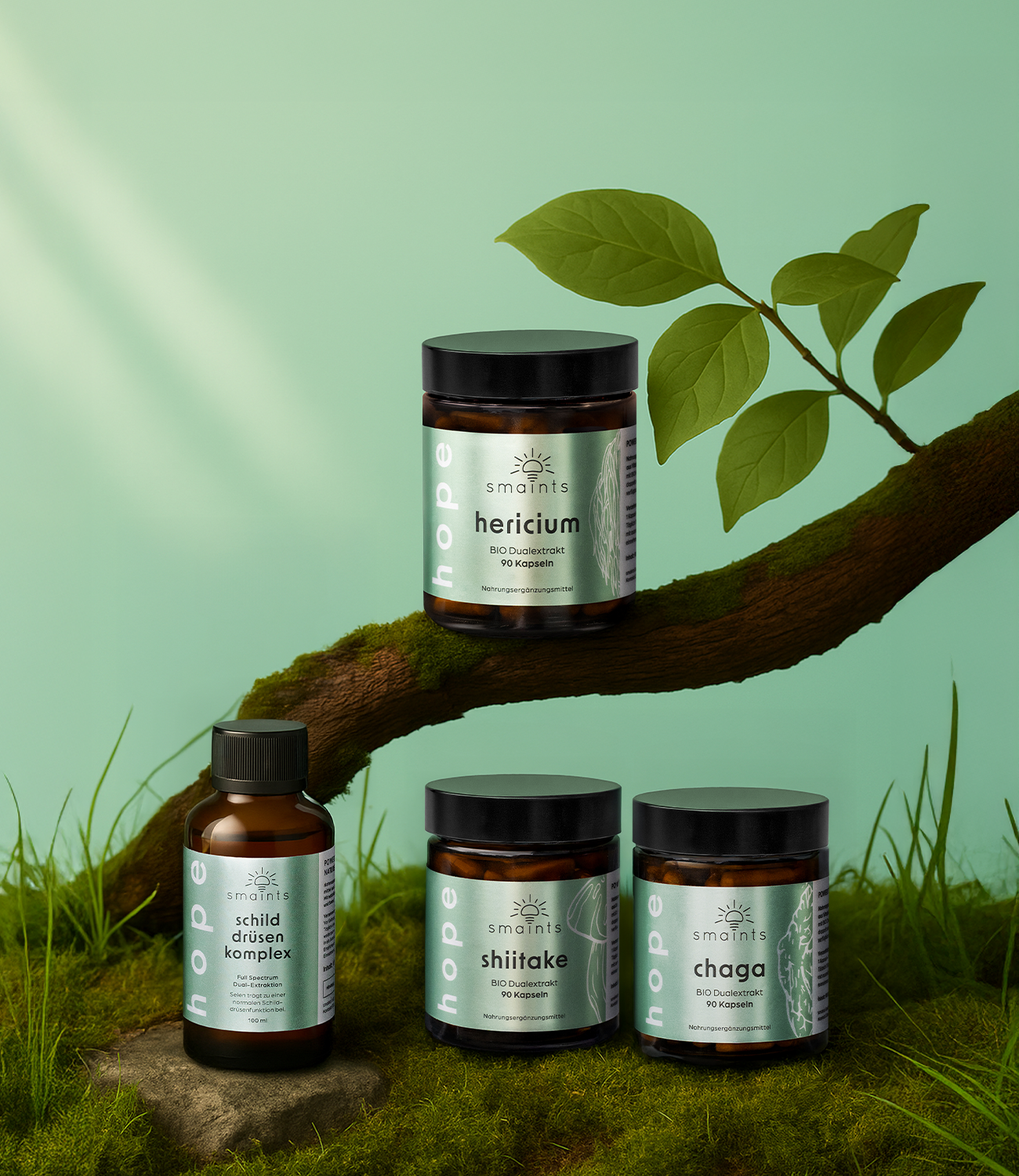
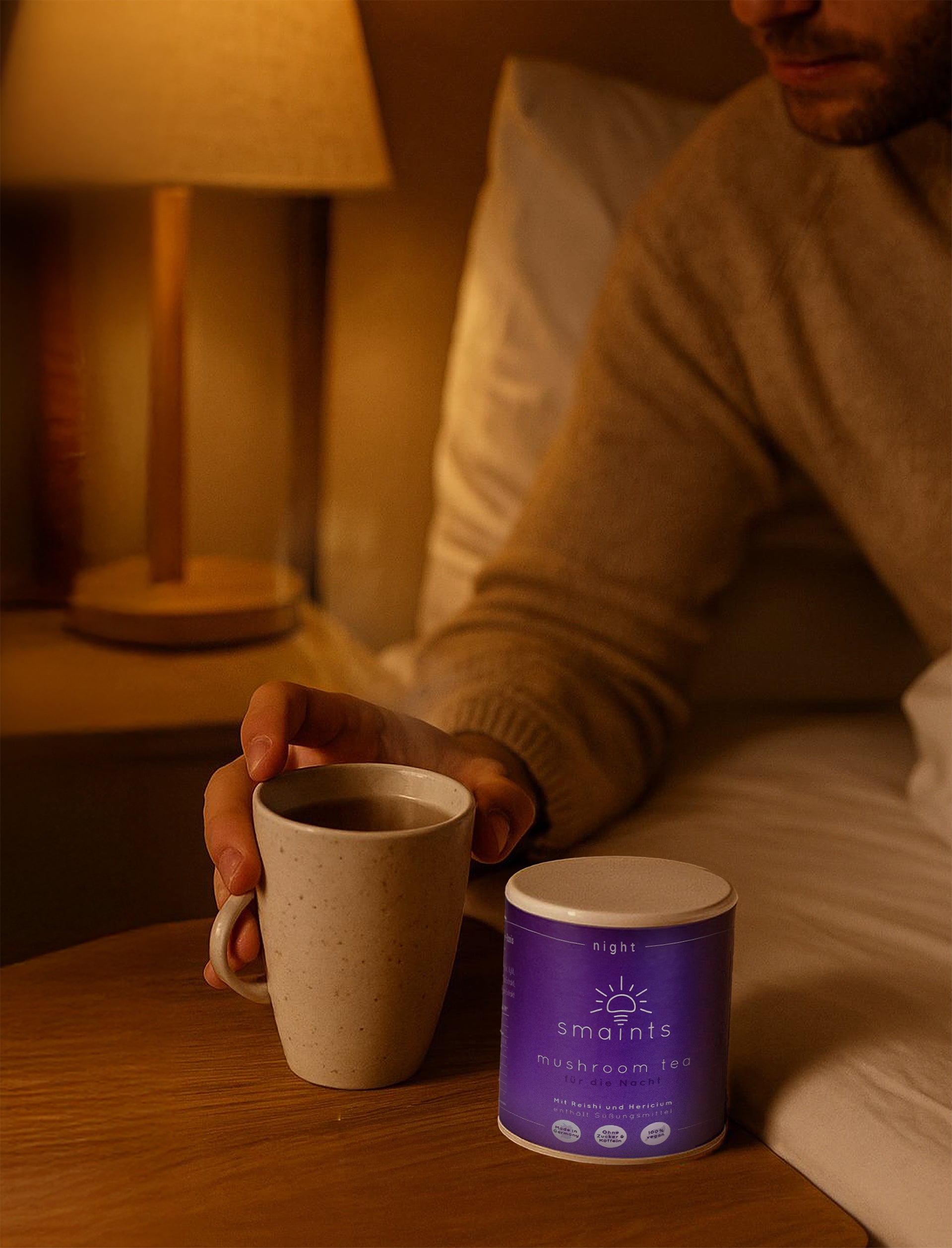
Other medicinal mushrooms suitable for women going through menopause include Reishi and Hericium . Both mushrooms are known for their balancing properties. They support well-being and can therefore be helpful for mood swings during menopause. If sleepless nights or inner restlessness are your main symptoms, we recommend combining them with the medicinal plant Ashwagandha. It, too, is a time-tested remedy for women in midlife and ideally complements mycotherapy. That's precisely why we've incorporated this medicinal plant, along with other wonderful herbs and plants from nature, into our Mushroom Tea . For example, our Pure Night liquid extract and our Pure Focus liquid extract with Cordyceps and Hericium are very potent combination products with Reishi and Hericium.
Sleep is particularly important, therefore we have an interesting article that reveals our top 10 tips for sleeping better.
Severe pain, water retention, breast tenderness, digestive issues, backache, and more can plague women during their period. While these are normal symptoms of menstruation to a certain extent, you don't have to simply endure it. Active ingredients from plants and fungi can support your body during this phase of your cycle. According to the German Society for Medicinal Mushroom Science, Reishi and Cordyceps are effective in alleviating menstrual symptoms. They are also said to reduce psychological stress.
Extra tip for biohackers: More and more women are consciously adapting their lives to their menstrual cycle, adjusting their diet, exercise, and work to each phase. This allows them to get the most out of themselves and simultaneously create inner balance.
Premenstrual syndrome (PMS) affects approximately 20 to 40 percent of women of childbearing age. This involves physical and psychological symptoms lasting up to two weeks before menstruation begins. The cause is fluctuating hormone levels and how the body reacts to them. Since progesterone is produced and broken down significantly during this phase, its breakdown products could also be a contributing factor. Other causes include a family history of PMS, external influences such as nicotine consumption, and an underactive thyroid. The symptoms can severely restrict the daily lives of those affected. However, they are also nonspecific and can mask underlying medical conditions. Therefore, a medical evaluation is important.
PMS symptoms can often be alleviated through a healthy diet, gentle exercise, relaxation, and natural remedies. The following medicinal mushrooms can be used:

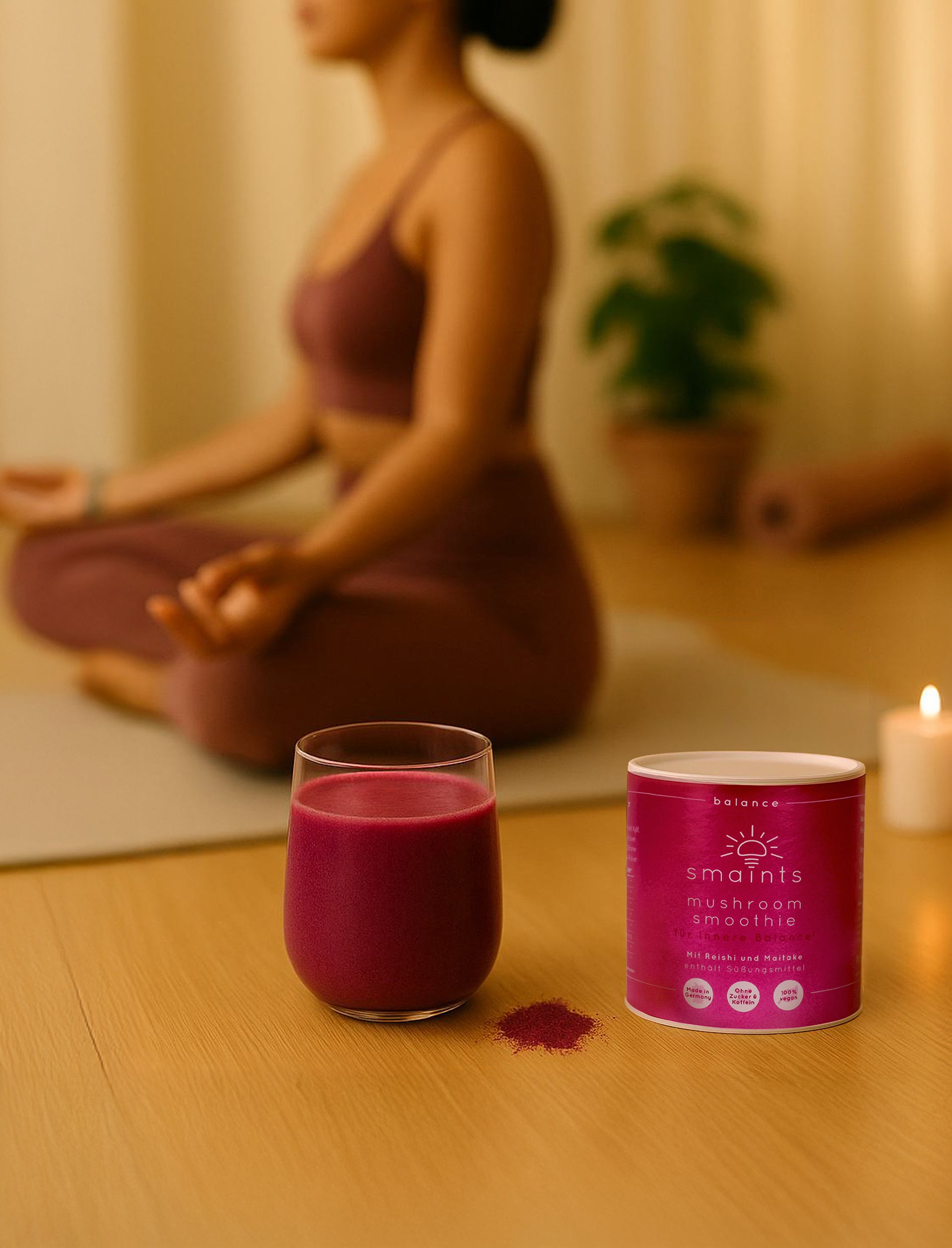
PCOS stands for polycystic ovary syndrome and is a hormonal disorder in which too many male hormones are produced. The exact cause is unknown. However, being overweight, genetic factors, and insulin resistance appear to play a role. Symptoms include irregular menstrual cycles, increased hair growth, adult acne, and infertility. But the greatest burden is the psychological one. To date, there is no cure. Those affected are advised to pay particular attention to a healthy diet and regular exercise. One study also shows positive results with maitake mushrooms. An extract of the mushroom, and also in combination with medication, was able to trigger ovulation. This could be especially helpful for women with PCOS who are trying to conceive. You can find maitake, for example, in the smaints Balance products .
Endometriosis is one of the most common physical causes of infertility in women. In this condition, painful growths of tissue similar to the uterine lining develop outside the uterus. Several theories exist regarding the cause of the disease, but none have yet been confirmed. Treatment options include various hormones, pain medication, or surgery. Low vitamin D levels exacerbate symptoms, so Maitake mushrooms, due to their ergosterol content, may be beneficial. Since the condition is a significant psychological burden for many affected women, medicinal mushrooms that promote inner balance, such as Hericium , can also be used as a complementary treatment. However, you should not experiment with these on your own; always consult your doctor.
Mushrooms are not miracle cures or medications. While you can use them as a supplement to therapy or for minor ailments, they are not a substitute for treatment in cases of illness. Most of the known knowledge stems from Traditional Chinese Medicine (TCM) and initial studies. The constituents of medicinal mushrooms are largely known, but their precise effects have not been fully investigated. While this provides valuable insights, it is (currently) insufficient for their inclusion in conventional medicine. Therefore, medicinal mushrooms, similar to medicinal plants, are available as dietary supplements. However, these are subject to significantly less stringent controls. Consequently, you should be careful when selecting your capsules, liquid extracts, or mushroom powders. Organic products manufactured in Germany or the EU are indicators of good quality. To ensure a sufficient concentration of active ingredients, mushroom extracts are preferable to simple powders.
In our smaints shop you'll find a wide selection of fantastic products, all meeting the highest quality standards and certified organic. They're easy to integrate into your daily routine and taste great too! Take a look around our website and feel free to contact us with any questions! We're happy to help.
Learn more about medicinal mushroom powder or extracthere .

Sources:
https://pubmed.ncbi.nlm.nih.gov/14711788/
https://www.vitalpilze.de/krankheiten/menstruationsbeschwerden/66
https://pubmed.ncbi.nlm.nih.gov/14711788/
https://www.frauenaerzte-im-netz.de/erkrankungen/endometriose/therapie/
https://pubmed.ncbi.nlm.nih.gov/15956003/
https://pubmed.ncbi.nlm.nih.gov/21034160/
Clauss, W., Clauss, C. (2018). Human hormonal system. In: Human Biology Compact. Springer Spektrum, Berlin, Heidelberg, (186-210). https://doi.org/10.1007/978-3-662-55850-8_7


Organic functional mushrooms
from Europe

Scientifically developed - tradition meets modernity

Suitable for everyday use & delicious

Independently laboratory tested
in Germany