
Everyone knows it: lack of energy, lack of motivation, listlessness, constant tiredness and simply no energy – the dark season really demands a lot from most people and causes bad moods, lack of performance and in the morning you just want to stay in bed.
But why is it such a common problem to suffer from these symptoms in winter? In today's article, we want to draw attention to this issue and then explain six helpful tips on how to overcome winter depression and gain more energy.
Studies indicate that approximately 5% of the population suffers from some form of winter depression. This is not 'classic depression,' but rather a seasonally induced mood swing with accompanying, noticeable symptoms. But how is it defined, and what causes it? Winter depression refers to a temporary, persistent mood disorder during the darker months. The symptoms can vary considerably and differ from person to person. In most cases, it is only after thorough research and self-reflection that it becomes clear that it is winter depression. Many people suffer from mood swings, fatigue, lack of motivation, and lethargy, especially when the days get shorter and the sunlight diminishes. The following section explains the causes behind these symptoms.

The primary cause of mood swings during the dark winter months is the lack of sunlight. Most people spend more time indoors and therefore don't go outside often, especially since it's usually already dark when they get home from work. Biologically, this is due to a lack of serotonin , a hormone that triggers feelings of happiness.
Brightness and light promote serotonin release. A prolonged lack of these two can lead to a cessation of serotonin production, potentially resulting in mood swings and a negative outlook. Conversely, there is an overproduction of melatonin, which regulates sleep and is released more frequently at night. This leads to feeling tired even in the late afternoon and difficulty getting out of bed in the morning. Biologically, this is related to the circadian rhythm, which symbolizes our internal clock. This internal rhythm regulates our sleep-wake cycles.
Prolonged periods without light and brightness can also lead to vitamin deficiencies. Certain vitamins are only produced through the sun's UV radiation, which we lack in winter. Lethargy and fatigue are the consequences of this vitamin deficiency.
A characteristic of winter depression is experiencing a persistently negative mood over an extended period, where even positive events fail to lift one's spirits. This is primarily due to the lack of light, which leads to an increased need for sleep, general lethargy, and fatigue. The following simple questions can help you determine if you are suffering from winter depression.
If you answered YES to these questions, it's likely a very strong indication that you're suffering from a form of winter depression. Other symptoms may also occur:
As described in previous sections, light is the most important factor, which is often lacking during the darker months due to weather conditions and can lead to low mood and winter depression after prolonged periods of inactivity. Therefore, it is extremely important to prevent this by getting enough daylight. Even when the sun is hidden behind gray clouds and bad weather, daylight has a positive effect on our bodies. According to a study, a large portion of the population suffers from a significant vitamin D deficiency. This manifests itself in symptoms such as persistent fatigue, lethargy, lack of energy, and lack of motivation. It is also recommended to take a vitamin D3 supplement. When choosing a supplement, pay attention to the quality and purity of the product.
In summary, you should consider the following regarding lighting:

Exercise is the most underestimated way to optimize health and improve mood. In today's world, lack of exercise and poor diet dominate our society. This combination results in illnesses, limitations, and degenerative changes. Walking is the simplest way to optimize your health and prevent disease right now. It doesn't always have to be an endless walk in nature. Even small adjustments to your daily routine can bring about improvement.
Take the stairs instead of the elevator. During your workday, get up at regular intervals to stretch your legs and use your lunch break for a short walk. If you live in the city, leave the car at home for some trips and walk or cycle. Even a short 10-15 minute walk after a meal can have a positive effect on your health and mood. On weekends, consciously plan a walk with family, friends, or your best friend.
There are many ways to increase your daily activity without having to become a fitness fanatic. Small changes ultimately lead to something big. Perhaps this saying will help you put it into practice, and whenever you lack motivation, remember it and start moving, because movement is progress, and progress is life.

A diet rich in healthy, micronutrient-dense ingredients and vitamins, and free of processed foods, also plays a crucial role. In the first tip, you learned how important vitamin D is for our mood. This link provides a list of valuable foods with a high vitamin D content that you can easily incorporate into your daily routine.
Blood sugar fluctuations caused by excessive carbohydrate consumption should be avoided, as they can lead to a significant energy crash, which in turn can negatively affect mood. It is advisable to abstain from sugar and alcohol. Also, ensure adequate fluid intake. Unsweetened teas and water are recommended.

What brings you joy? What haven't you done in a long time? Especially during the winter months, activities and hobbies often fall by the wayside. That's why it's all the more important to regularly remind yourself of your favorite activities. A favorite song, dancing, movie nights with friends, a beautiful hike in nature… there are countless ways to boost your mood.
It's often the little things that brighten up everyday life. Even when motivation and a lack of drive are overwhelming, sometimes you simply have to push yourself to experience certain things again. We recommend: make a list each day of an activity or task that brings you joy and reward yourself with it after work or on the weekend.
Routines can be incredibly important for consistently and permanently carrying out certain habits. They prove particularly effective in the morning and evening. It doesn't always have to be a very long routine. Small changes in your daily routine, which are nevertheless repeated every day, prove to be positive and improve your mood. Feel free to check out our team's morning routines on our Instagram channel , which can certainly help you with your own routine.

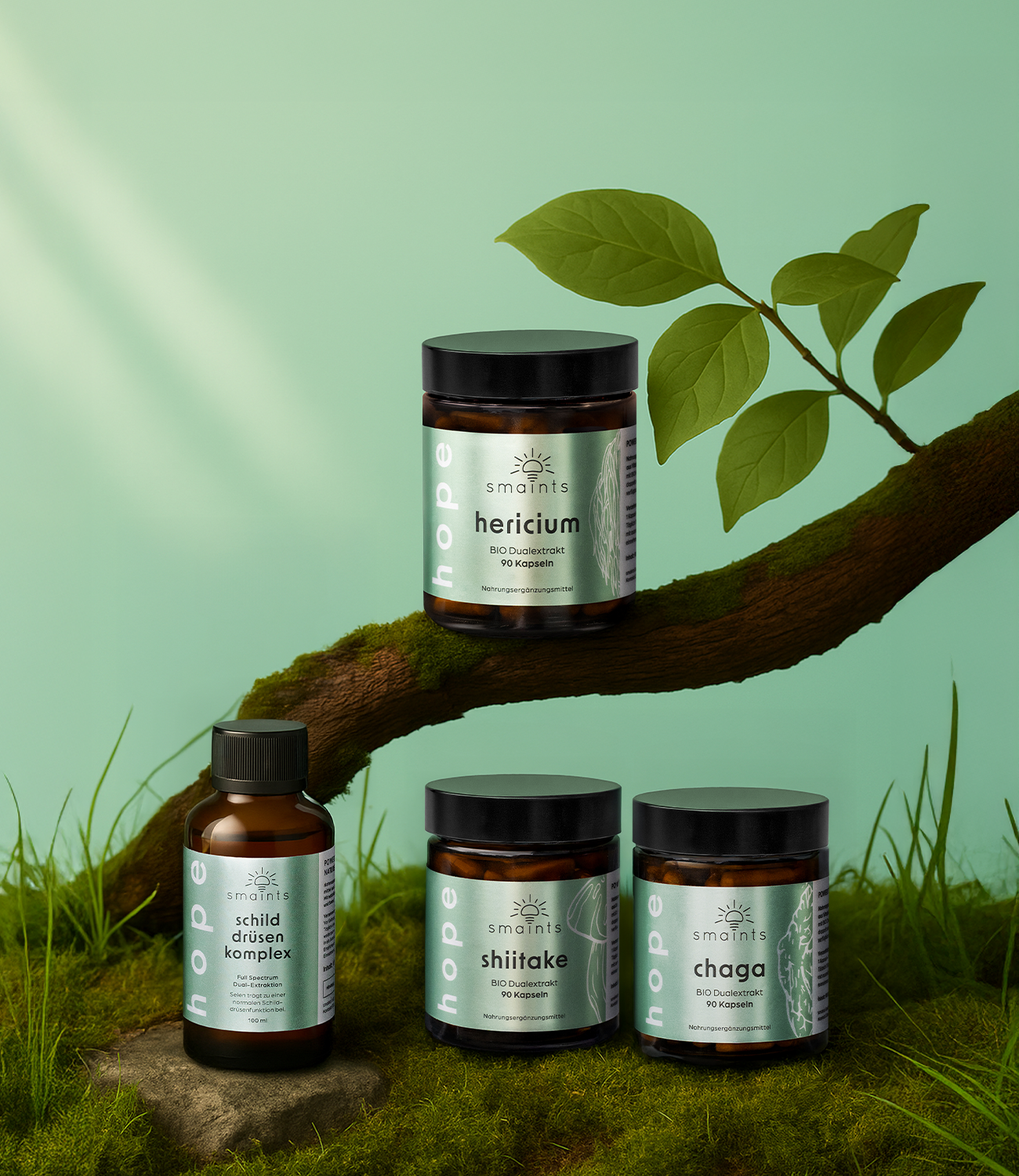
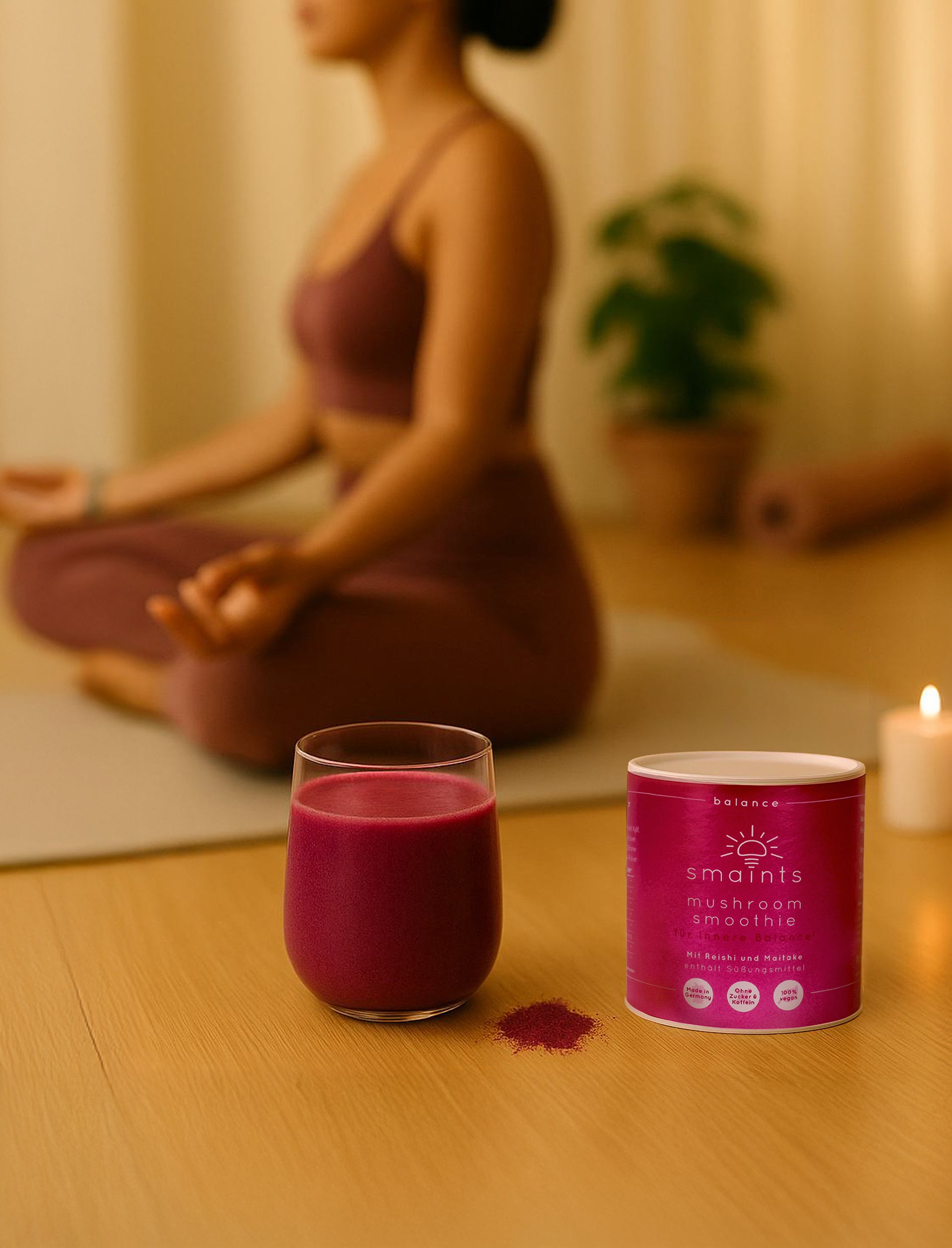
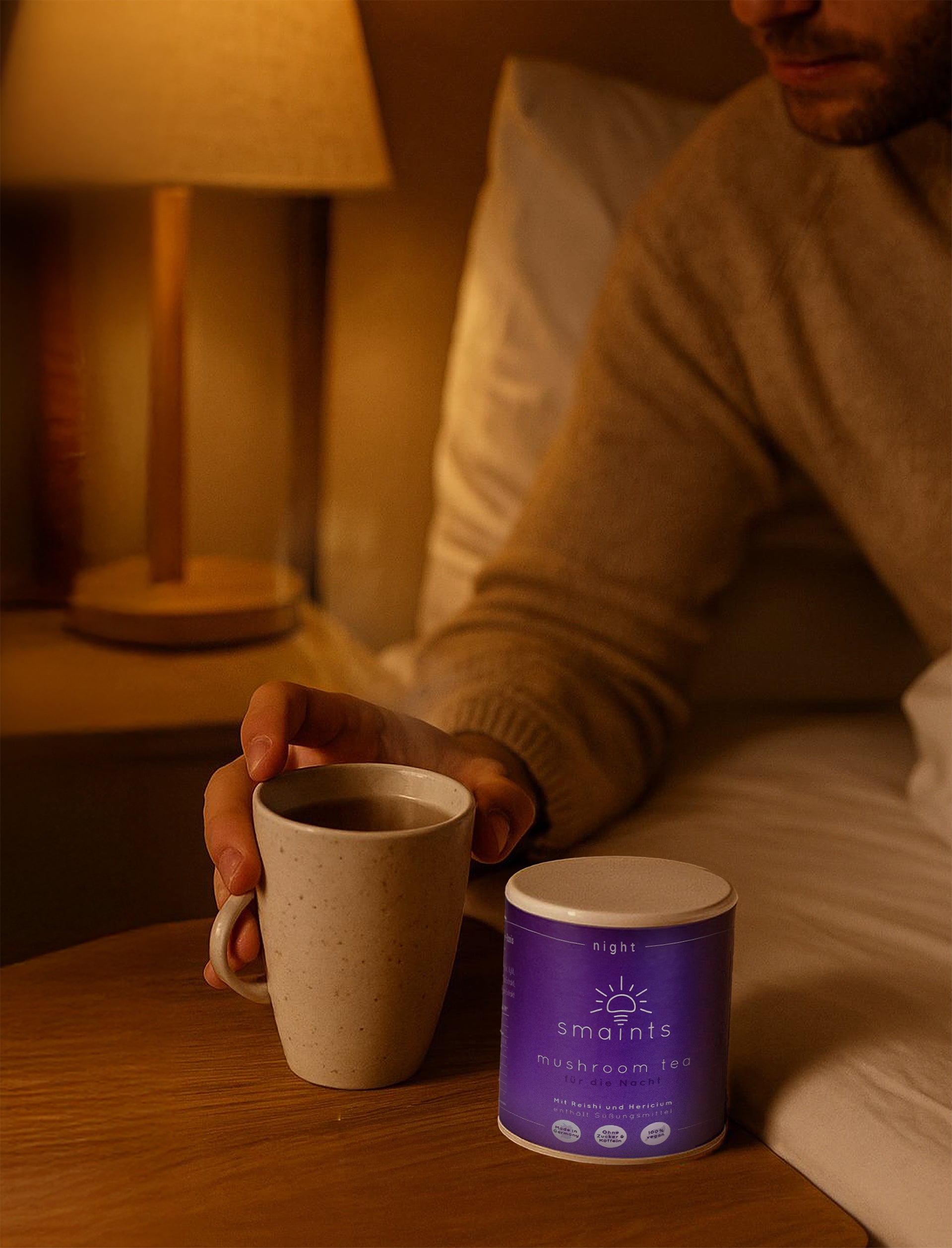
Mushrooms for more energy and a better mood? You heard right. Medicinal mushrooms are adaptogens, primarily known from Traditional Chinese Medicine (TCM) (NOT to be confused with "magic mushrooms"). They have very positive effects on your immune system and, consequently, on your energy levels. They are also known for their stress-reducing and immune-boosting properties. Some studies with the medicinal mushroom Hericium have even shown positive effects on depressive moods. It is also rich in vitamin D.
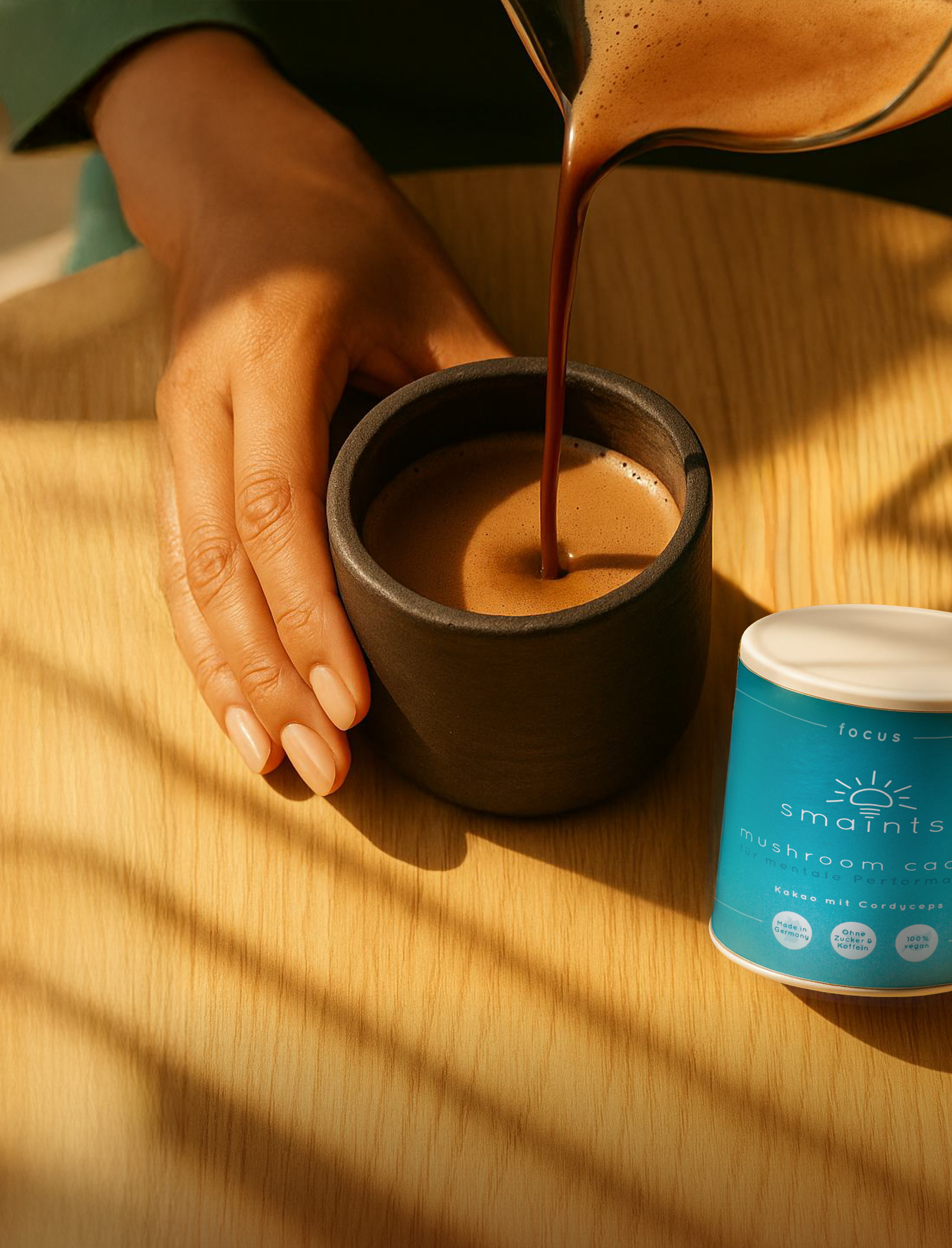
The medicinal mushroom Cordyceps sinensis might also be of interest to you, as it has particularly positive effects on your energy levels and immune system. Our Mushroom Cacao could be a true wonder weapon for winter and perhaps also a healthy alternative to coffee in general: cacao as a serotonin booster combined with the health benefits of Cordyceps and other adaptogens. Try it, for example, as a warming and invigorating morning ritual with oat or almond milk.

After explaining the topic of winter depression and its causes, this article offers 6 valuable tips on how you too can make the most of the dreary season and, above all, what options you have to get out of winter depression.
In summary, it's always a combination of many factors. Here's a brief summary of the most important points:
Did this article help and inspire you? Feel free to share it or send it to friends and acquaintances. Stay healthy and remember: winter will end too!
Your mushroom boys 😊


Organic functional mushrooms
from Europe

Scientifically developed - tradition meets modernity

Suitable for everyday use & delicious

Independently laboratory tested
in Germany