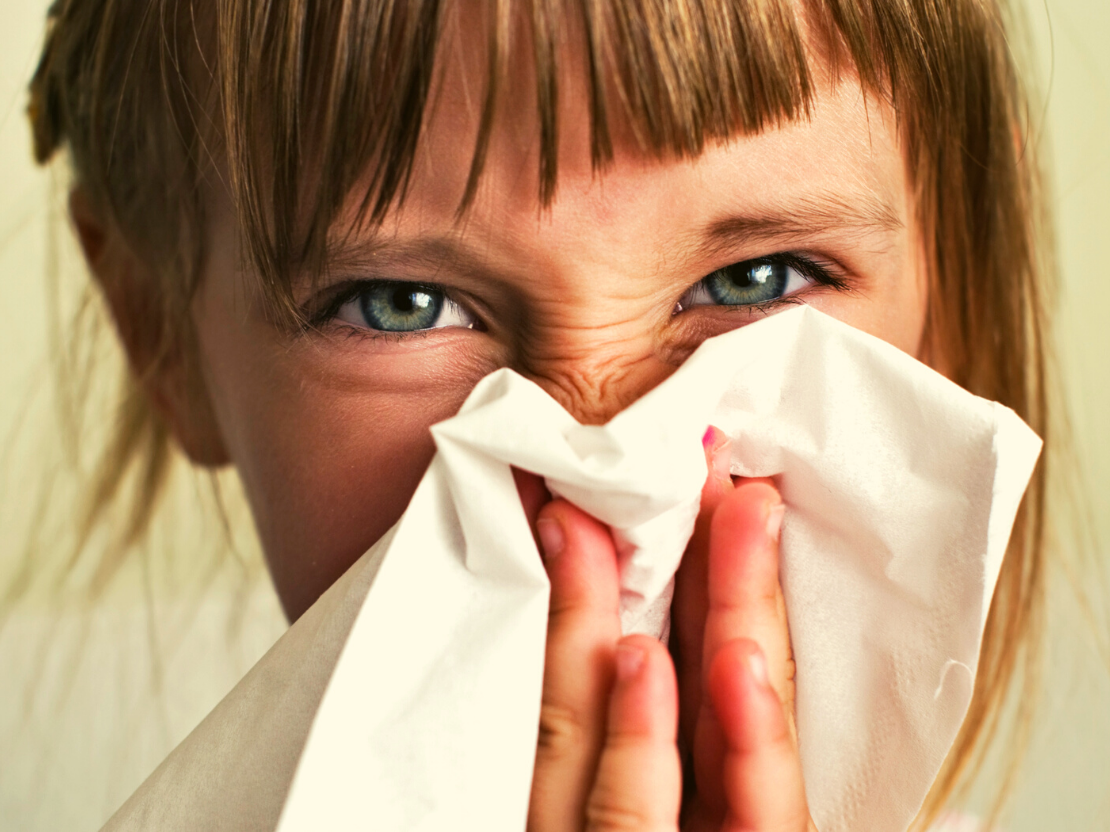
Achoo! And here it is again, another cold. A weak immune system is often at a disadvantage against viruses and bacteria. The result: you're constantly sick, tired, and run down. But it doesn't have to be that way. We'll show you 10 helpful tips to naturally strengthen your immune system.
The human immune system is a sophisticated system. It must have a defense mechanism ready against a multitude of pathogens and threats. Most of the time, this happens without us even noticing. Only when the immune system is weakened and we are constantly ill do we realize what it actually does.
Since the coronavirus pandemic, the media has increasingly reported on virologists and used technical terms like T lymphocytes, B cells, and antibodies. But let's start from the beginning. How is our immune system actually structured and how does it work? Basically, two different mechanisms are important in the fight against infections:

Unfortunately, the immune system isn't always flawless. It can react to harmless substances like tree pollen (allergy), attack the body's own tissues (autoimmune diseases like Graves' disease or type 1 diabetes), or fail to mount a sufficient defense. There are various causes for the latter, a weakened immune system:
It's not always easy to distinguish between a pathological susceptibility to infection and a generally healthy, but weakened, immune system. In both cases, infections occur frequently. Recovery from illness also usually takes a little longer. With a congenital immunodeficiency, unusual infectious diseases are noticeable. Normally harmless pathogens can lead to serious illnesses. If you notice signs of this type of weakened immune system, you should get a medical check-up.
However, if your weakened immune system is due to your lifestyle or as a symptom of other illnesses, then our tips for strengthening it are just what you need.
If you've caught the flu or a cold, you should take a break. Afterwards, but of course also before you even get sick, you can incorporate our tips for strengthening your immune system into your daily routine. However, you'll need a little patience, as a weakened immune system doesn't change overnight.
Fresh air, sunshine, and proximity to nature; all of these can be helpful for a weakened immune system. Especially in winter, indoor air is dry and can damage our mucous membranes, making it easier for pathogens to take hold. Regular ventilation, as well as walks outdoors, are therefore essential for your health when the air is dry due to heating.
In summer, the sun helps boost the immune system. Its rays allow us to produce vitamin D in our skin. This vitamin contributes to the normal function of the immune system. To ensure your vitamin D stores are full for winter, you should soak up the sun daily during the summer. About 15 to 30 minutes is recommended, depending on the intensity of the rays. Sunlight also increases the activity of T-cells and improves your mood. During the colder months, we recommend taking vitamin D supplements regularly.
Nature also has a calming effect on our psyche. The sound of waves at the sea, the scent of the forest, or the chirping of birds in the park. A study from the USA showed that just 20 minutes in nature lowers stress levels. Another study from Japan found that regular walks in the forest increase the number of natural killer cells.

Stress, or rather the release of stress hormones like cortisol, is a possible cause of a weakened immune system. If we experience acute stress for a short period, the non-specific immune response is strengthened, but the specific immune response is reduced. The reasons for this lie in our past. In times of danger, stress hormones were released. The body prepared itself for potential injuries from a fight. The non-specific immune system was meant to quickly eliminate the damage and any potential infections.
Chronic stress is different. Both of the body's defense mechanisms are suppressed, making us more susceptible to illness. Thanks to modern lifestyles, chronic stress is a daily companion for many people. This can lead not only to a weakened immune system but also to weight gain or mental health issues like burnout. Therefore, for your overall health, you should allow yourself to take a break now and then.
In the long run, each of us needs to find our own individual solution for dealing with stress. For some, meditation exercises are helpful, others work out to exert themselves, and still others read a book and drink a soothing tea. If you notice symptoms of chronic stress and can't find a way out, then psychological treatment might be beneficial. Not only will your weakened immune system thank you, but your overall well-being will too.
"Sleep yourself healthy." We're all too familiar with this kind of advice when we have a cold. But does sleep also help prevent illness? The answer is yes. Studies have shown that our immune system only functions properly when we get regular, restful sleep. If we lack this rest, our body reacts similarly to how it reacts to stress, and our immune system is weakened. Furthermore, our T-helper cells are more active at night. If we're awake during this time, hormones, among other things, inhibit the activity of these immune cells.
A daily sleep routine can help you sleep better. You can try going to bed at roughly the same time every night, avoiding bright screens right before bed (or using blue light blocking glasses), and avoiding caffeine in the afternoon and evening.

Alcohol and nicotine are two harmful substances for our entire body and immune system. Smoking dries out the mucous membranes, thus reducing their barrier function against pathogens and increasing susceptibility to infection. It also reduces the number of antibodies. This weakens the immune system and leads to infections often lasting longer in smokers.
The widespread myth that a grog protects against colds is probably unfounded. Quite the opposite: alcohol can weaken the immune system because it slows down immune cells and impairs phagocytes. The more alcohol is consumed, the greater the damage. Therefore, moderate alcohol consumption, such as the occasional glass of wine with dinner, is not the problem; rather, it is frequent binge drinking.
Nothing in our bodies works without water. Depending on age, we are made up of 70 to 95 percent water. This clearly illustrates how important it is for our health and normal bodily functions.
Water, for example, ensures healthy mucous membranes. When you're dehydrated, these dry out. Viruses and bacteria can then enter our bodies much more easily through the nose or throat. That's why you should drink at least 1.5 liters of water a day. During strenuous exercise or in hot weather, you need to replenish lost fluids and drink even more. Besides still or sparkling water, unsweetened teas and lemon water are also good choices.
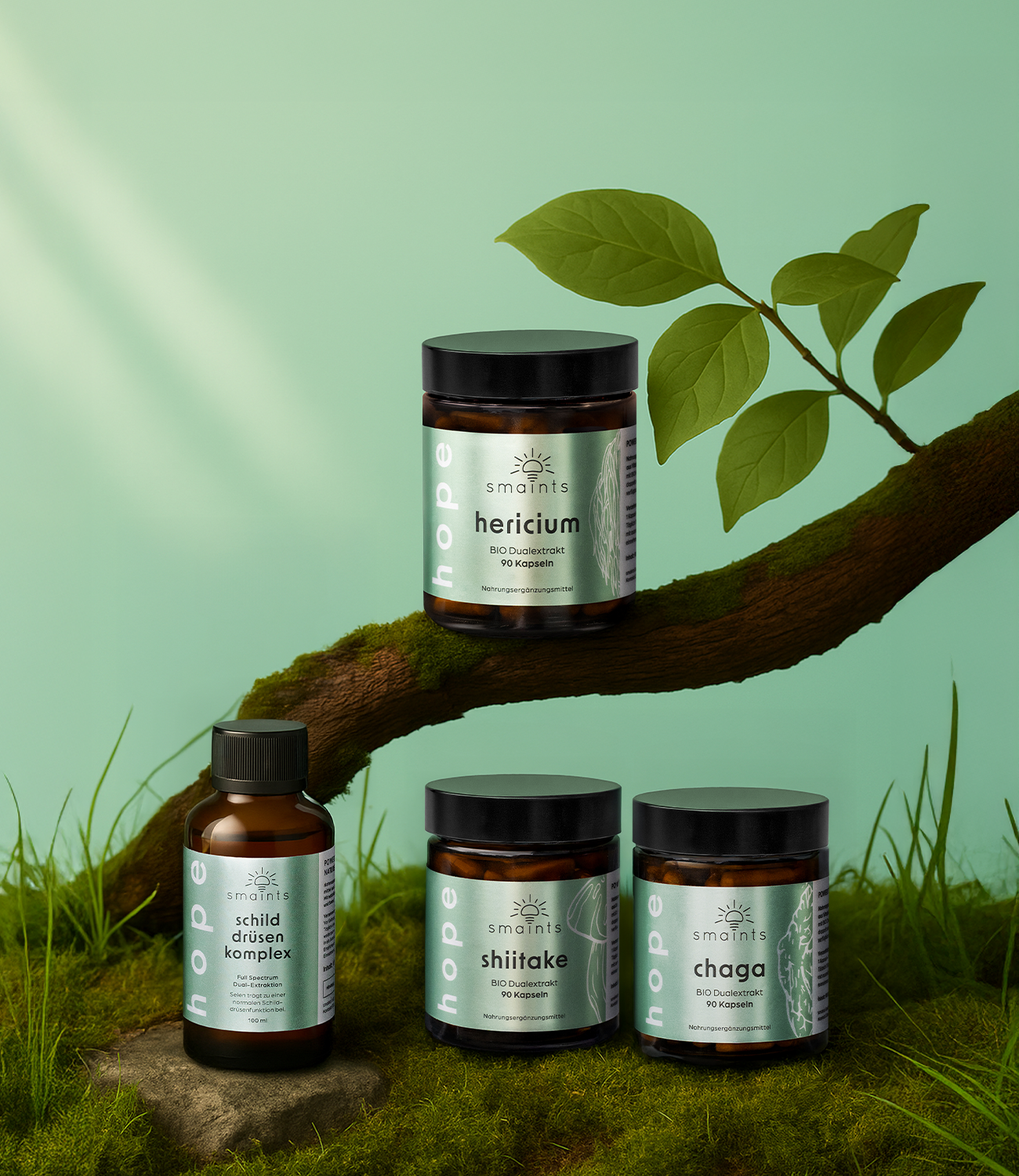
In traditional Chinese medicine, medicinal mushrooms have been used for centuries as a natural way to strengthen a weakened immune system. In Germany, the beneficial effects of medicinal mushrooms are still relatively unknown. However, a growing body of scientific research supports their use. For example, cell culture experiments have already demonstrated that proteoglycans and beta-glucans from the almond mushroom stimulate the non-specific immune response.
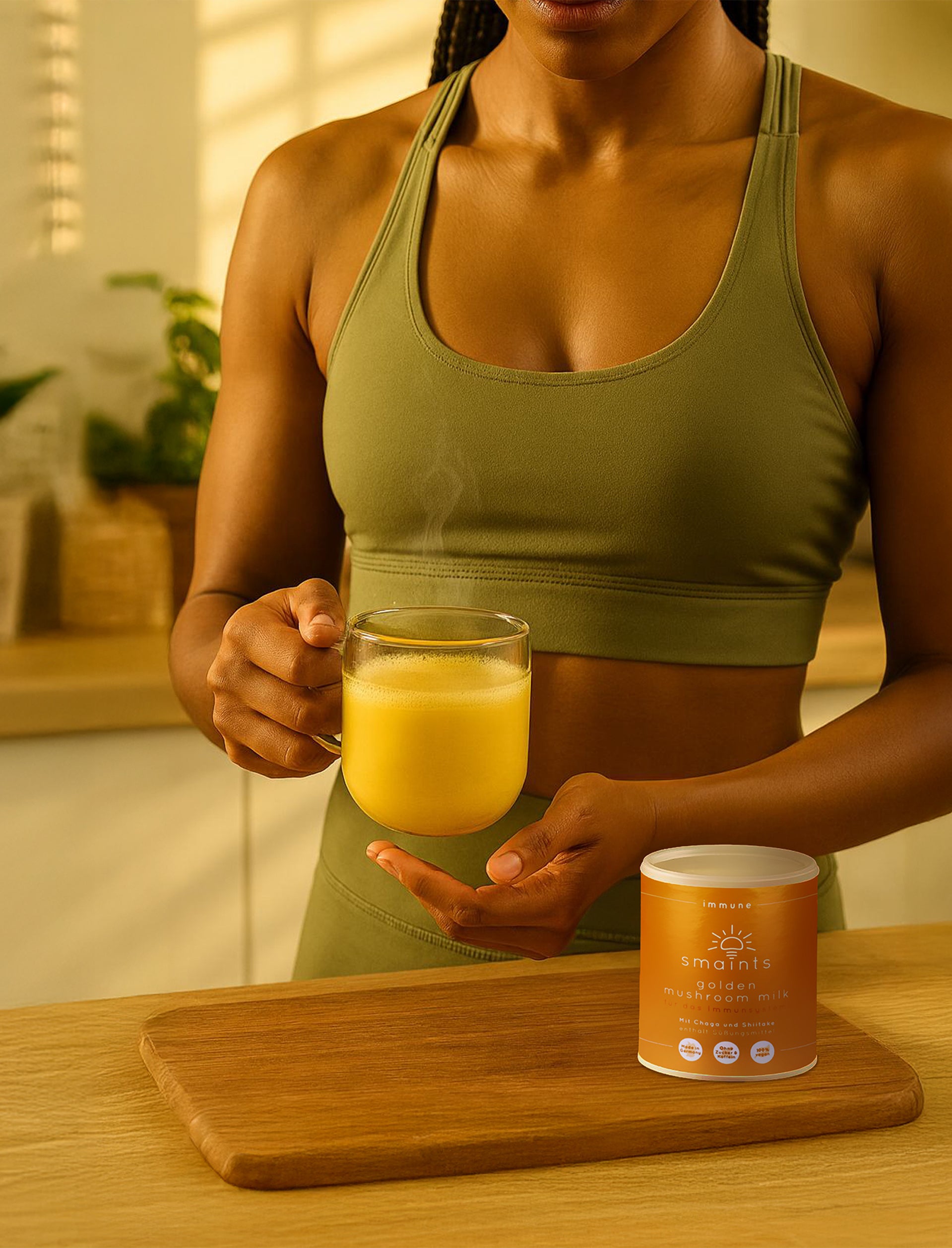
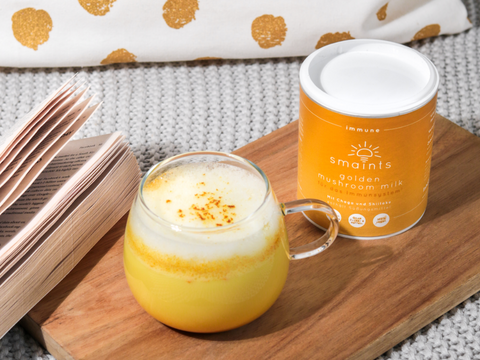
For a weakened immune system, we recommend a course of medicinal mushrooms such as almond mushroom, shiitake, or chaga . You should take these medicinal mushrooms daily for several weeks, following the manufacturer's dosage instructions. Our Golden Mushroom Milk contains chaga and shiitake combined with turmeric, black pepper, ginger, and acerola extract (natural vitamin C). These are all natural substances known for their positive effects on the immune system and their high bioavailability.
Incidentally, mushrooms are one of the few non-animal foods that contain vitamin D. While you're unlikely to meet your entire vitamin D requirement with mushrooms on a vegan diet, they do contribute a small amount. A vitamin D deficiency can also be one of the causes of a weakened immune system.
Alternating between cold and heat is said to strengthen the immune system. These ideas have been around for centuries. In Germany, Kneipp's water treading is popular. Regular sauna sessions have become established in Scandinavian countries. Several hardening methods for strengthening the immune system have been investigated in scientific studies. The results seem promising, but they are not yet conclusive proof. For example, it is known that blood vessels initially constrict in response to a cold stimulus. They then dilate to warm the body. This increases blood flow to the skin and mucous membranes, making it more difficult for viruses and bacteria to attach.
If you want to start a hardening program, you shouldn't jump straight into an ice bath. You'd probably even catch a cold. Alternating hot and cold foot baths and later alternating hot and cold showers are ideal for beginners. The Dutch extreme athlete Wim Hof has combined cold therapy with a special breathing technique, which together are said to be a real boost for the immune system.

Regular physical activity is beneficial for one's health. It strengthens stabilizing muscles, helps prevent weight gain, reduces the risk of diseases like high blood pressure, and boosts the immune system. Studies show an increased function of killer cells. Furthermore, research indicates that endurance athletes are less likely to suffer from respiratory illnesses.
This is welcome news for many: even moderate exercise is enough to achieve these effects. However, too much exercise can increase susceptibility to respiratory infections. But this mainly affects competitive athletes.
You can combine several of our tips here. Exercise, fresh air, and sunshine go perfectly together. Swimming in cold water (if you're already used to it) is also a great combination of exercise and boosting your immune system. Important: If you have symptoms of an infection, exercise is off-limits for now. As soon as you feel better, you can start with light exercise like walks.

Since the coronavirus pandemic, at the very latest, even children know that washing your hands reduces the risk of illness. Soap and water have a simple yet effective effect. They reduce the number of germs on our hands and prevent transmission to our nasal or oral mucosa. While this doesn't actively strengthen a weakened immune system, it does relieve the burden on our body, as we don't get sick so often.
If you are prone to infections, you should wash your hands thoroughly several times a day, especially after touching many potentially contaminated surfaces, such as on public transport. To prevent skin irritation, it's also important to use a healthy hand cream.
Last but not least: A healthy diet that provides your body with sufficient vitamins and minerals. A weakened immune system is not uncommon in cases of being underweight or malnourished, as the body lacks important factors for an effective defense. These micronutrients will support your immune system:
A varied and colorful diet is a great way to support a strong immune system. Taking additional supplements is usually unnecessary. For more certainty, a blood test at the doctor's office can also be helpful.
Incidentally, fiber and probiotic foods can strengthen the gut flora. This has a significant influence on the immune system and the development of diseases such as chronic intestinal inflammation. Sauerkraut, kefir, kombucha, and similar products are particularly beneficial for gut health.

Biohackers strive to optimize their bodies in many ways, including reducing their susceptibility to infections. They implement many of our tips for a strong immune system daily and reap the benefits. Healthy eating, exercise, ice bathing, and abstaining from alcohol and nicotine are all part of their self-optimization for a long life.
Recommended reading: Biohacking: What's behind self-optimization?
Sources:
https://www.helmholtz-hzi.de/de/wissen/wissensportal/unser-immunsystem/immunsystem/
https://www.gesundheitsforschung-bmbf.de/de/infektionen-und-immunsystem-6443.php
https://www.ernaehrungs-umschau.de/print-artikel/12-05-2021-ernaehrung-und-immunsystem/
https://www.in-form.de/wissen/immunsystem-staerken-die-besten-tipps/
https://www.frontiersin.org/articles/10.3389/fpsyg.2019.00722/full
https://pubmed.ncbi.nlm.nih.gov/17903349/
https://www.tk.de/techniker/magazin/life-balance/stress-bewaeltigen/stress-immunsystem-2006916
https://www.immunsystem-ratgeber.com/index.html
https://www.thieme-connect.com/products/ejournals/abstract/10.1055/a-1205-8068
https://www.sciencedirect.com/science/article/abs/pii/S088915910200003X?via%3Dihub
https://pubmed.ncbi.nlm.nih.gov/18782264/
https://www.aok.de/pk/magazin/wohlbefinden/entspannung/immunsystem-staerken-abhaerten-mit-sauna-und-co/
https://www.apotheken-umschau.de/mein-koerper/immunsystem/schneetreten-wechselduschen-eisbaden-gesund-oder-riskant-717359.html
https://www.aerzteblatt.de/archiv/9761/Sport-und-Immunsystem
https://www.thieme-connect.de/products/ejournals/html/10.1055/s-0035-1558534#N68156
https://www.pnas.org/content/111/20/7379.full
https://www.bzfe.de/ernaehrung/ernaehrungswissen/gesundheit/das-immunsystem-staerken/
https://www.muenchen-klinik.de/infektionen-immunsystem-immunkrankheit/grippe/infektionsschutz-immunsystem/

Beantworte 6 kurze Fragen zu deinen Zielen und deinem Alltag.


Organic functional mushrooms
from Europe

Scientifically developed - tradition meets modernity

Suitable for everyday use & delicious

Independently laboratory tested
in Germany