
Tossing and turning in bed, sleepless, tired and lacking energy during the day. When nights become nightmares, it pushes many people to their limits. But how do you get out of this situation? We'll show you how to sleep better. Tips and tricks await you.
Are you useless without a good night's sleep? Both your body and mind need this nightly recovery phase. Concentration, the immune system, your athletic performance, and other important processes suffer from chronic sleep deprivation. But what exactly constitutes a good night's sleep?
The answer is actually individual. Some people feel rested after five hours, while others need closer to ten to feel refreshed. On average, seven hours is optimal.
The number of sleep phases per 24 hours also varies. In modern Central Europe, most people sleep once a night. However, in the Middle Ages, for example, it was common to be awake for several hours at night. People spent this time in bed, but didn't sleep; instead, they used it for prayer, reflection, and, for couples, sex. With the advent of electric light, the sleep rhythm changed to our modern monophasic sleep. However, biphasic sleep is currently the subject of much research and is gaining popularity.
Other sleep models, for example, include a power nap, or midday nap. This is widespread in Japan and also in countries with intense midday heat. The sleep of professional footballer Cristiano Ronaldo is also frequently featured in the media. He only sleeps for 90 minutes at a time, but does so five times a day.
You can tell if you're getting good and sufficient sleep by this: If you can concentrate during extended periods of sitting throughout the day and don't get tired, then you most likely don't suffer from sleep disorders. You'll have to figure out which sleep pattern is ideal for you. Our 10 tips for better sleep provide the best foundation for this.
There are many reasons for poor sleep: stress, light, noise, poor diet, physical illnesses, psychological triggers, or a combination of several factors. If you want to improve your sleep hygiene, it's helpful to identify the causes of your sleep problems. This allows you to address those specific issues. Some causes require medical treatment, while others, like light and noise, you can modify yourself.
You've probably woken up from the cold, or from the heat, drenched in sweat. Both are unpleasant and detrimental to sleep quality. If you're cold all night, your muscles tense up and you can catch a cold. But excessively hot temperatures can also wake you up. The optimal room temperature for good sleep hygiene is between 16 and 18 degrees Celsius. Depending on the season, you should also adjust your bedding and pajamas. Look for breathable fabrics like merino wool, satin, cotton, or flannel.
Besides the temperature in the bedroom, humidity is also crucial. It should be between 50 and 60 percent. Especially in winter, heating can lower the humidity, which dries out the mucous membranes of the nose and mouth, making you more susceptible to infections. If the air is too humid, on the other hand, mold can develop and harm your health in the long run. You should therefore either ventilate the room before and after sleeping or sleep with the window open. If the window is open, make sure you're not lying in a draft.
Light signals to the body that it is daytime. Therefore, the wakefulness hormone cortisol is produced. This hormone, along with melatonin, regulates the sleep-wake cycle. Previously, the length of the day determined when we felt tired. Artificial light has eliminated this dependence, allowing us to remain wide awake even at night.
But if you want to sleep, you should ensure darkness in the bedroom. So close the curtains or blinds and turn off the lights. Even small light sources like LEDs in standby mode on the TV, smartphone, or alarm clock are disruptive. Always switch these devices off completely or cover the small lights. A sleep mask also creates darkness.
Blue light from screens is particularly criticized and is said to cause sleep disturbances. Therefore, it is recommended to avoid using mobile phones, tablets, laptops, and televisions for several hours before bedtime. Alternatively, you can wear blue light filtering glasses in the evening.
If you have trouble falling asleep, a daily evening routine can help. Brushing your teeth and getting dressed are probably part of everyone's routine. But you can expand it. For example, you could include reading for 20 minutes, listening to an audiobook or podcast, skincare, journaling, painting, meditating, or doing relaxing breathing exercises. This will help you disconnect from the hectic pace of everyday life and slow down. Furthermore, we humans are creatures of habit, so if you have a consistent evening routine, your body and mind will already be preparing for bedtime.
Going to bed at the same time every day makes it easier to fall asleep. This also applies to weekends. If you have to get up at 6 a.m. during the week, but stay up until noon on weekends and can't get out of bed in the morning, it's like jet lag. It throws your entire sleep-wake cycle out of whack. However, you can stay in bed about an hour longer than usual on weekends without disrupting your sleep rhythm.
Morning routines also ensure an optimal start to the new day. Learn more about an optimized morning routine .

What and when we eat affects sleep quality. Some people are sensitive to gas-producing foods like lentils and beans. If they eat these for dinner, they may experience bloating or a feeling of fullness during the night. Others have problems with acid reflux. Eating too much or too late in the evening can lead to heartburn. Generally, fatty, heavy, and highly processed meals shortly before bedtime are not recommended, as they put a strain on the gastrointestinal tract and can lead to insomnia. Sweets and other rapidly absorbed carbohydrates are also discouraged. Foods that can help you sleep better include:
Whole grain products for stable blood sugar levels
Protein-rich products, such as low-fat quark
Tryptophan from bananas, cocoa or cashew nuts
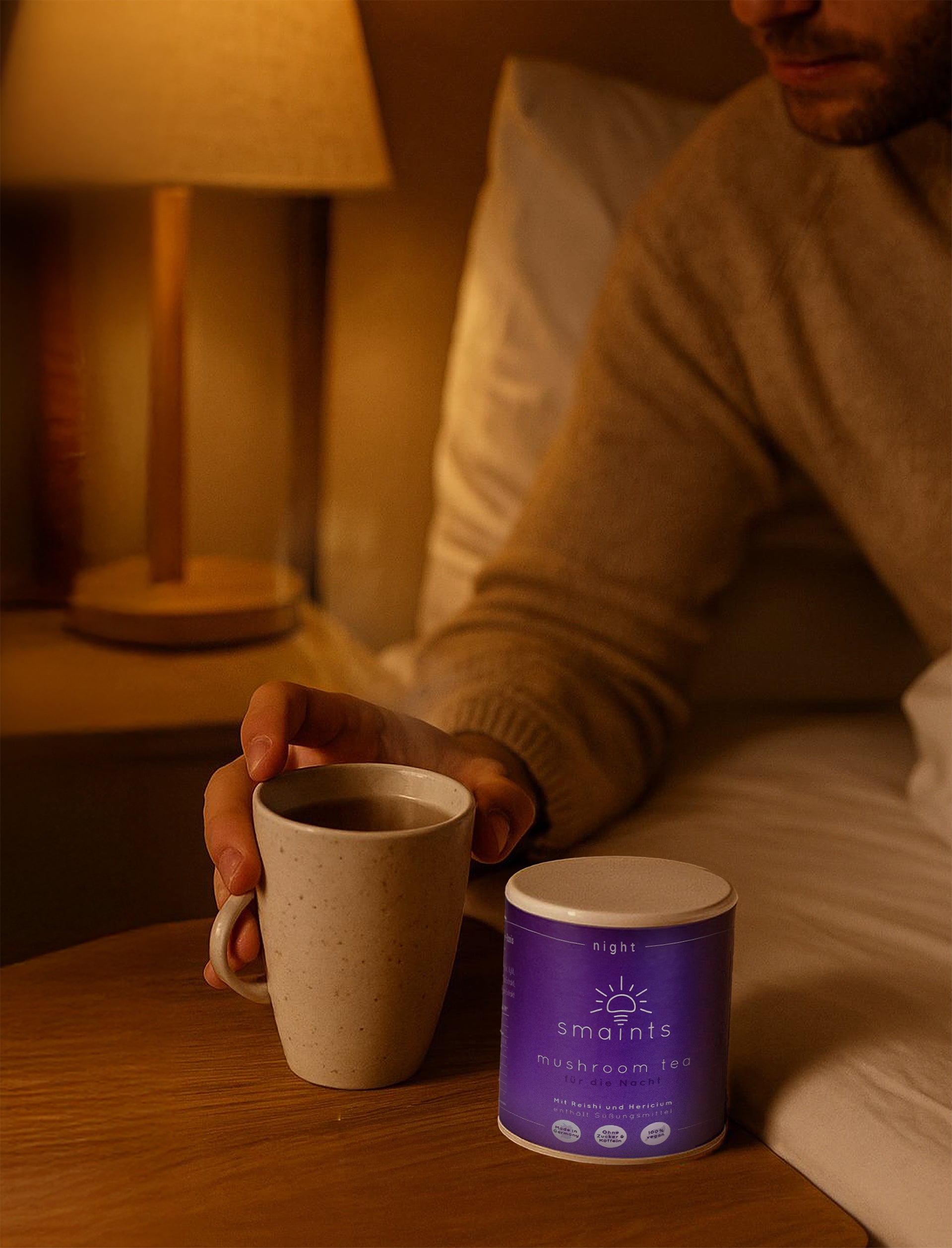
When people have trouble sleeping, they often immediately think of chemical sleep aids as a quick fix, but these have side effects and don't address the underlying cause. Herbal sleep aids like valerian or lemon balm are popular alternatives for a good night's sleep because they rarely have side effects and have a relaxing effect. For example, a tea made from medicinal herbs can make it easier to fall asleep.
Learn more about natural sleep aids.
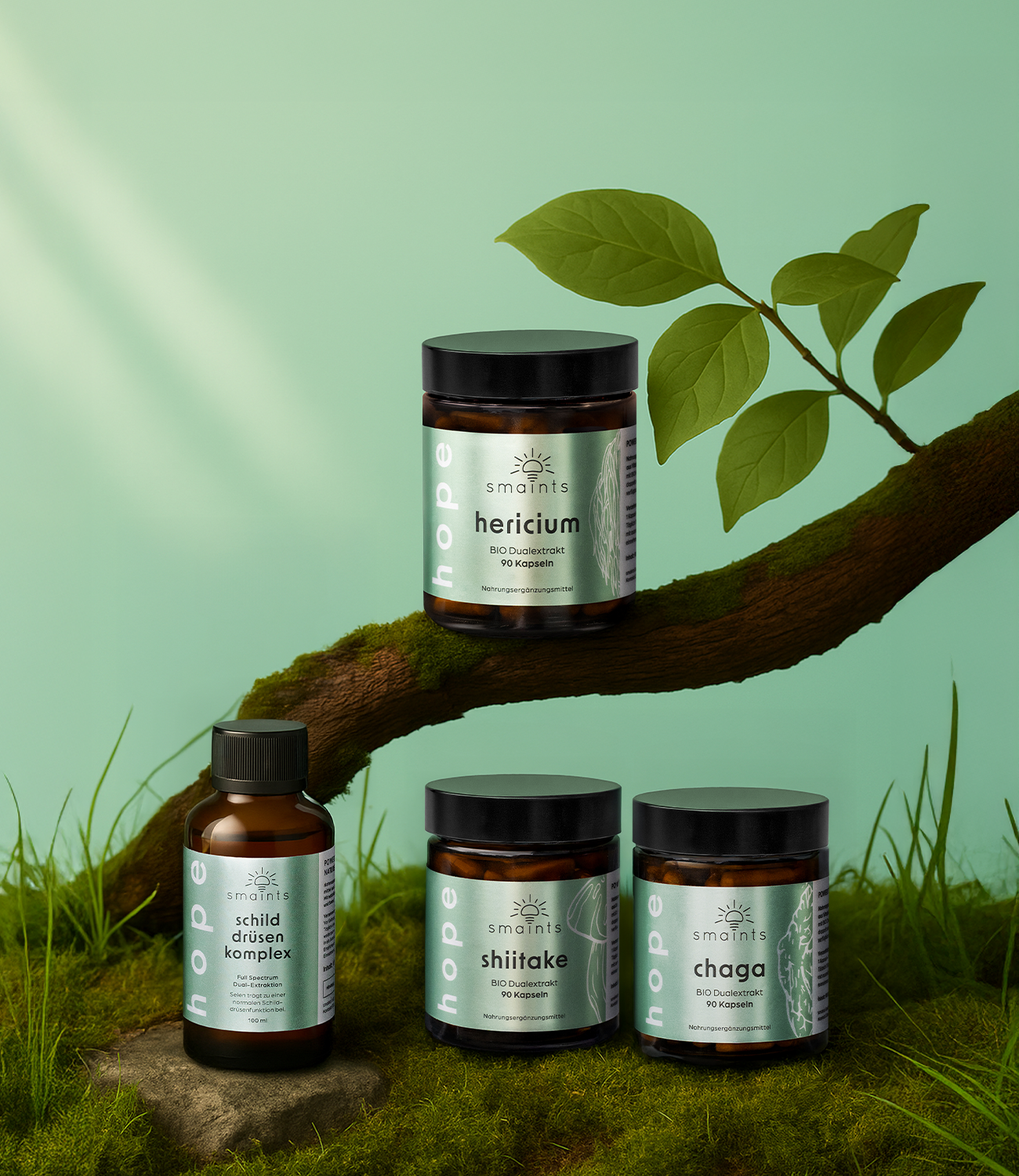
Natural remedies include medicinal plants and medicinal mushrooms. Reishi mushroom is particularly noteworthy. A scientific study showed that this mushroom can increase serotonin levels in the brain. This neurotransmitter is essential for the production of melatonin. Melatonin counteracts cortisol in the sleep-wake cycle, helping you fall asleep in the evening and stay asleep throughout the night.
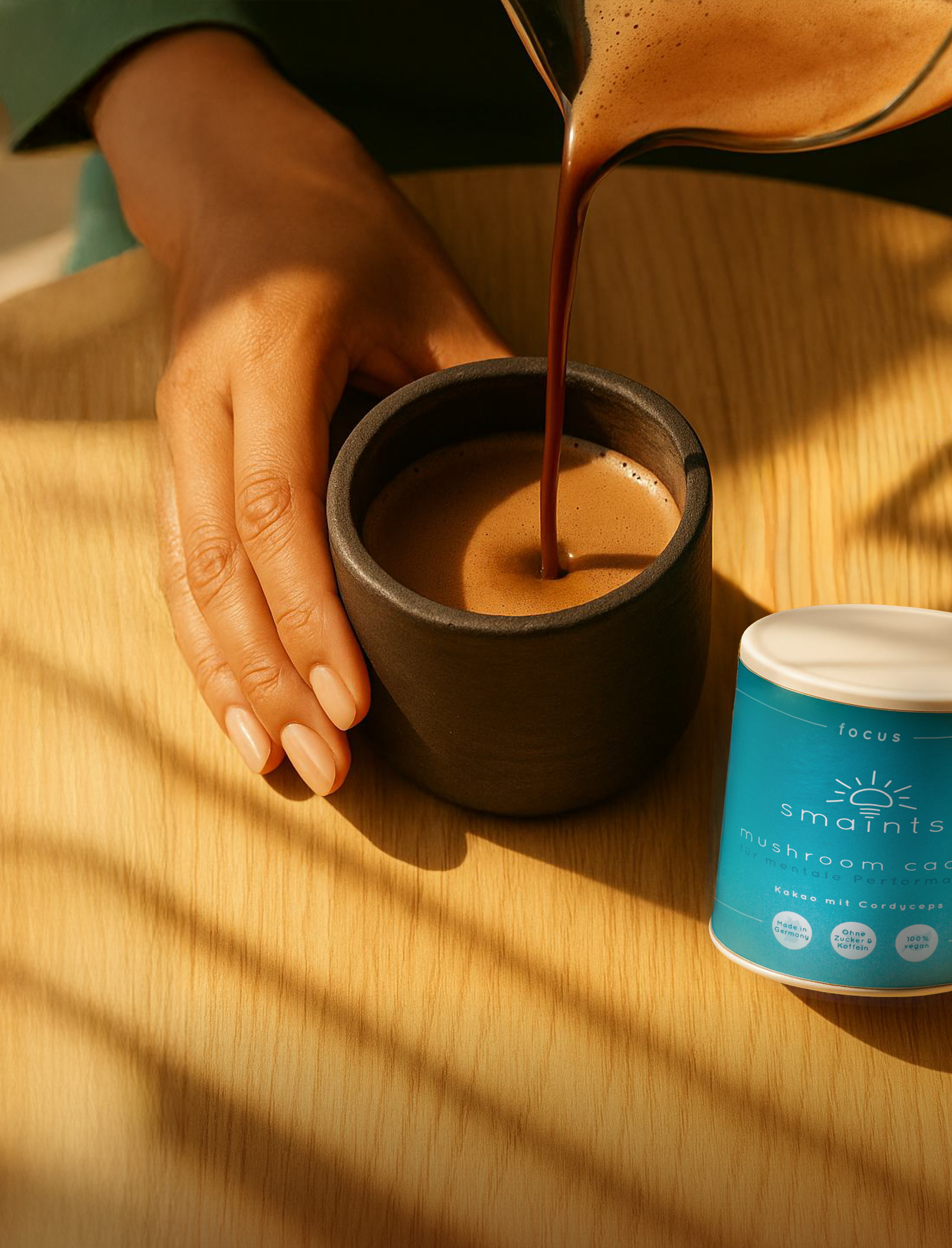
If you want to sleep well, you should avoid coffee and other caffeinated drinks like cola a few hours before bedtime. It makes sense, since caffeine has a stimulating effect. If you have trouble falling asleep, then avoid caffeine in the afternoon as well. Our tip as a coffee alternative: Mushroom Cacao from smaints.
Even a nightcap can cause sleep problems. While a glass of wine or beer might make you tired and help you fall asleep, it won't actually be restful. This is because alcohol dehydrates the body. This is why you wake up thirsty after drinking alcohol. Alcohol also increases the urge to urinate, which can also wake you up. So, for a healthy night's sleep, it's best to avoid alcoholic drinks before bed.
Incidentally, you should also avoid smoking if you have trouble sleeping, as nicotine has a stimulating effect. Furthermore, the physical addiction can wake you up at night.
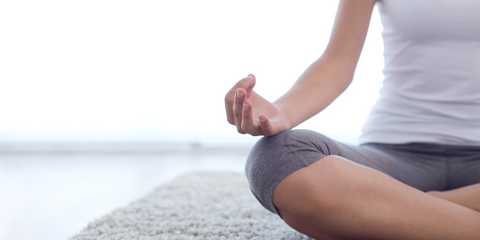
Exercise and physical activity are generally beneficial for your health. But they also help you sleep better. According to scientific studies, exercise increases both the light and deep sleep phases. How about a jog or yoga session first thing in the morning? This not only gives you a great start to the day but also promotes better sleep for the following evening. The longer the interval between physical activity and bedtime, the greater the effect. However, you should avoid intense exercise right before bed, as this will wake you up. A relaxing walk, on the other hand, is perfectly fine. The fresh air and nature will help you unwind.
Often, our thoughts keep us from sleeping. Once the mental chatter starts racing, falling asleep becomes nearly impossible. Stress and worries are frequent triggers for this. Relaxation exercises, meditation, autogenic training, music, or even reading a good book are relaxing and help you unwind. Regular relaxation, such as a soothing bath with essential oils, also works wonders. If you need support in managing stress, there are numerous courses that can introduce you to various methods. Some people also find it helpful to block out external noise with a sleep mask and earplugs to create a peaceful environment.
If you're woken up by bad dreams at night, you can try lucid dreaming. This means being able to actively influence your dreams. It's best to seek guidance from an expert, as this can also help you explore unconscious dynamics like a loss of touch with reality.
Students and other people living in studio apartments or shared rooms know the feeling: the bed isn't just a place to sleep, but the focal point of the room. It replaces the sofa, desk, seating area, and dining room all in one. But this isn't advisable, not least for hygienic reasons—who wants to wake up with chip crumbs in their hair? It's also detrimental to restful sleep. You should only use your bed for sleeping; this helps your body better understand when it's active and when it's in a restful phase. So, no chatting, watching TV, or reading in bed. Create other spaces in your apartment for these activities. Even if it's just a single room, you can create a small bedroom with shelves or portable partitions.
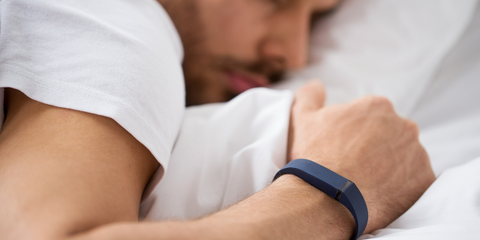
Sleep trackers, daylight alarm clocks, blue light filtering glasses, weighted blankets, and more promise optimal benefits for insomnia. There are now so many aids for sleep problems that we can't possibly introduce them all. Certainly, some are simply well-marketed, but others make it easier to go to bed and fall asleep. Therefore, you should always carefully consider such products before buying them.
While not exactly a modern gadget, a good mattress with a suitable slatted frame, a high-quality duvet, and pillows are nonetheless invaluable for your sleep. After all, you sleep best when you're comfortable. Plus, this helps prevent back pain, which can lead to sleep problems.
Sources:
https://www.mdr.de/wissen/nachts-aufwachen-biphasischer-schlaf-normal-100.html
https://pubmed.ncbi.nlm.nih.gov/34211003/
https://www.kenn-dein-limit.de/alkoholkonsum/folgen-von-alkohol/alkohol-und-schlaf/
https://www.hkk.de/themen/schlafen/besser-schlafen-durch-sport
https://www.tk.de/techniker/magazin/life-balance/besser-schlafen-2000264


Organic functional mushrooms
from Europe

Scientifically developed - tradition meets modernity

Suitable for everyday use & delicious

Independently laboratory tested
in Germany