
Have you ever seen a glossy Ganoderma lucidum in the forest? Probably not, because this mushroom is very rare and until a few years ago, hardly anyone in this country looked for it. In Japan, this very mushroom has been known and loved for centuries under the name Reishi. Here, too, this medicinal mushroom is gaining more and more fans. But why is that? Learn all about the effects of Reishi and its uses here.
In Traditional Chinese Medicine (TCM), Reishi is considered a panacea. Its diverse effects have earned it the name 'mushroom of eternal life' or 'mushroom of immortality'. However, in modern times, traditional knowledge and experience alone are insufficient to substantiate its effects, so researchers are examining this medicinal mushroom closely. The following is currently known about its composition:
65% dietary fiber
15% protein
1.7 percent sugar
3.5% fat
a total of 400 bioactive substances
150 triterpenes (also known from medicinal plants such as eucalyptus or mint)
100 polysaccharides (glycans; complex carbohydrates such as beta-glucans)
Vitamins such as vitamin B1
Minerals such as iron
Antioxidants
Sterols (biochemically important natural substances)
The researchers' goal is to document and understand the effects of Reishi. We have listed various applications and the current state of scientific knowledge for you:
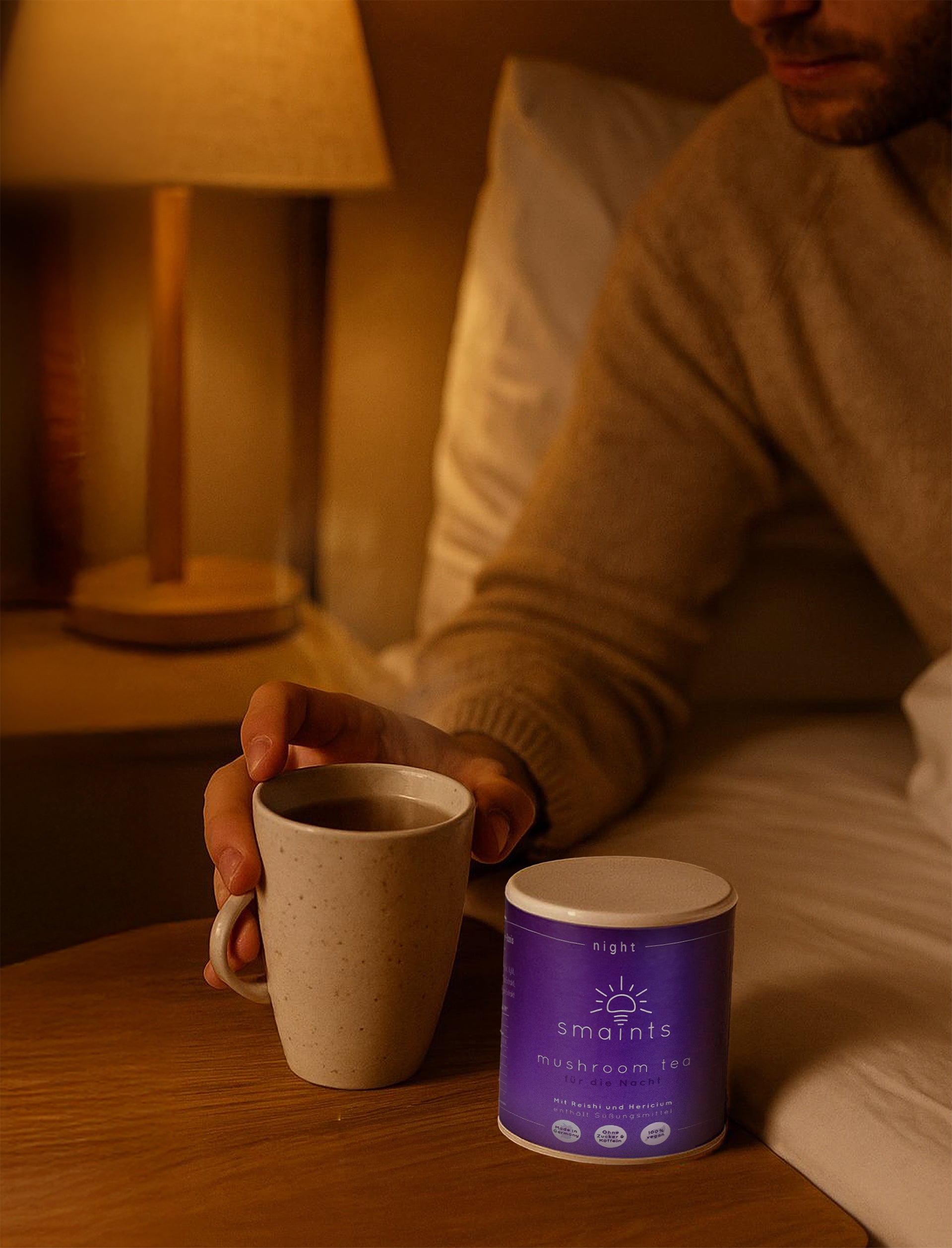
Who hasn't experienced it? Sleepless nights, tossing and turning in bed, and feeling completely drained the next day. There are many reasons why people sleep poorly, and just as many attempts to improve their sleep. Counting sheep, warm milk with honey, or the scent of lavender can all help. If none of that works, you can try Reishi. Traditionally, this mushroom is used to treat restlessness and sleep problems.
However, studies are also showing initial findings in this area. In test animals, Reishi extract improved both the time it took to fall asleep and the duration of sleep. In one experiment, the concentration of the neurotransmitter 5-hydroxytryptamine (5-HT; serotonin ) increased. Many biohackers are already familiar with this substance and take its precursor, 5-HTP, as a dietary supplement. Serotonin promotes the production of melatonin, an important hormone for regulating the sleep-wake cycle.

One of the studies also establishes a link between the mushroom extract and the gut flora. The sleep-promoting effect decreased after a course of antibiotics, which damage the gut flora.
Learn more about biohacking here .
The modern lifestyle is fast-paced, stressful, and can even lead to illness in the long run. Depression and other mental health conditions are becoming increasingly common. While Reishi cannot combat stress itself, it can contribute to an overall sense of well-being and help us adapt better to stress. As already established in the sleep study, this medicinal mushroom can influence the "happiness hormone" (hormone). In several studies, scientists investigated the effects on the well-being of rodents. After taking the mushroom extract, the test animals showed improved results in various tests. For example, they moved more in a swimming test, which is an indication of the mushroom's antidepressant effect.
A human study has already established a link between well-being and Reishi mushrooms. Patients with fibromyalgia (a rheumatic disease) received the mushroom preparation for six weeks. Typical symptoms of the disease include pain, often accompanied by depression and general dissatisfaction. The preparation showed a clear trend toward improved happiness and life satisfaction, as well as a reduction in depression. Since the study is relatively small, it doesn't yet provide conclusive proof, but it is a good starting point for future research. Further studies in this area will follow in the coming years and could confirm Reishi's influence on well-being.
Remember: Reishi is not an antidepressant. Depression is a serious illness that should be treated by a doctor or therapist. Together, you can then decide whether the medicinal mushroom can be used as a supportive measure.

In diabetes mellitus, blood sugar levels become unbalanced because the body can no longer produce insulin or the cells no longer respond to it. The result is excessive sugar in the blood, which damages blood vessels over time. Today, diabetes is one of the most common diseases in our society. Stabilizing blood sugar is beneficial both for those with existing diabetes and for prevention, as it relieves the burden on the pancreas and the entire body. Ganoderma lucidum (Reishi) may be helpful in this regard.
Several scientific studies in mice have shown that the medicinal mushroom Reishi can lower blood sugar levels. A human study supports these findings. In this study, 71 diabetes patients received either a dietary supplement containing a specific polysaccharide from the mushroom or a placebo. After twelve weeks, the participants who took the supplement showed improved HbA1c levels. This blood test reflects blood sugar levels over the past eight to twelve weeks. While a single study is not conclusive proof, it is an exciting start. Reishi could potentially be used in the future for the prevention and management of diabetes. Of course, a healthy diet and exercise continue to play a crucial role in managing this lifestyle-related disease.
The Reishi mushroom has been used for thousands of years to boost the immune system. But can this be scientifically proven? There are a great many studies in this area. We've compiled an overview for you:
Many medicinal mushrooms are immunomodulators. Reishi also exhibits this property. This means that the medicinal mushroom can influence the immune system in the desired direction. Numerous cell studies and some animal studies support this. The results show that the polysaccharides from the mushroom activate cytokines and promote the maturation of T and B cells. The study authors also noted that the polysaccharides help suppress the proliferation of tumor cells. While these studies provide a good initial assessment, it is unclear whether the results can be applied to humans.
In an experiment, mice infected with influenza received an aqueous solution of Reishi mushroom. A limited antiviral effect was observed. When the substance was administered nasally, the animals' influenza-related weight loss was reduced.
Researchers suspect that Reishi has a protective effect against enterovirus 71 infections. These viruses are particularly dangerous for children, as they can cause illnesses such as meningitis or hand-foot-and-mouth disease. Currently, no medication is approved to treat this infection. In a cell culture experiment, scientists applied Reishi extracts to infected cells. The result: Reishi showed efficacy against the virus in this experiment and reduced the replication of viral RNA.
Herpes simplex viruses are the cause of herpes. In a cell culture experiment, solutions made from Ganoderma lucidum inhibited the virus. When the solution was used in conjunction with antiherpes medications, their effects were enhanced.
Not only viruses weaken the immune system, but also bacteria. Therefore, researchers are also testing the components of Reishi against various bacteria. For example, mice injected with Reishi extract showed a better survival rate in the case of an Escherichia coli infection.
In addition to harmful microorganisms, the gut also contains beneficial ones that are closely linked to the immune system. Prebiotics can strengthen the gut flora. Medicinal mushrooms, in general, are precisely such prebiotics due to their fiber and other components. For example, a study in mice showed that administering Reishi mushrooms lowered cholesterol levels by influencing the gut flora.
Conclusion: Research into new therapies against bacteria and viruses is urgently needed. Bacterial infections are currently often treated with antibiotics. However, there are undesirable side effects and increasing resistance. Despite medical advances, there are no medications for some viruses. Even when medications do exist, they often come with side effects. Reishi and other medicinal mushrooms do not yet fill this gap in therapy. However, they possess immense potential. In the future, polysaccharides or mushroom extracts could very well become part of conventional treatment. Until then, you can use the mushrooms as a dietary supplement.
Recommended reading: Weak immune system? 10 tips to naturally strengthen your defenses
The liver, along with the kidneys, intestines, lungs, and skin, detoxifies the body. This is necessary because we are exposed daily to a multitude of environmental toxins, such as aluminum from aluminum foil. Over time, this constant exposure damages the body. Furthermore, alcohol, an unhealthy diet, and some medications also cause diseases of the detoxification organs. It is not surprising that liver cirrhosis is becoming increasingly common due to modern lifestyles. This can ultimately even lead to cancer. For some time now, efforts have been underway to protect the liver. In addition to lifestyle changes, Reishi also appears to be helpful.
Several studies have investigated the effects of Reishi extract on liver health. Test animals received the extract for several weeks, either before or after experiencing liver damage. The studies suggest that Reishi can significantly improve liver health and offer protection. It is believed that harmful breakdown products are inhibited. Another explanation is Reishi's antioxidant potential. The mushroom can neutralize free radicals, such as those produced during alcohol metabolism in the liver. If this neutralization does not occur, the radicals can damage cells. Following confirmation of these results in human studies, Reishi has been shown to be used both to protect the liver and to treat existing liver damage.
Reishi is one of the most researched medicinal mushrooms. Consequently, far more diseases for which Reishi might be beneficial have been studied than we have listed. For example, the influence of Ganoderma lucidum on cancer therapy is frequently mentioned. However, after evaluating the studies, the German consumer protection agency clearly states that Reishi and other medicinal mushrooms cannot, on their own, help with cancer.
Many anecdotal findings from various studies suggest that Reishi strengthens the cardiovascular system. Ganoderma lucidum is said to strengthen the heart muscle, prevent plaque buildup in the blood vessels and inflammation, and influence cholesterol levels. However, conclusive studies in humans are lacking.
Numerous studies have been conducted on the Reishi mushroom, but this medicinal mushroom played a significant role in traditional Chinese medicine long before that. It is particularly valued for its medicinal properties in Asia. However, its bitter taste makes it unsuitable as an edible mushroom. Only the thin white rim is aromatic, but it is rarely used in cooking. Reishi is also considered a talisman in some regions. In the past, people hung it in their homes to protect them from misfortune.
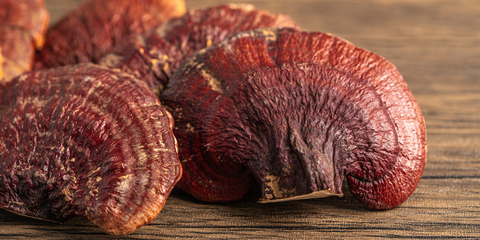
Reishi is Japanese and roughly translates to 'divine mushroom'. In China, it is known as Ling Zhi, 'tree of life mushroom'. Since the mushroom also grows in Germany, it has a local name: 'Glistenender Lackporling' (glossy lacquer polypore), which refers to its lacquer-like glossy fruiting body. Scientists refer to this medicinal mushroom by its Latin name, 'Ganoderma lucidum', which can also be translated as ' glossy skin'.
The many names for Reishi already suggest that the mushroom is found in many parts of the world. It is even claimed that Ganoderma lucidum exists on every continent. However, this is currently without proof, as it is not always easy to distinguish it from other mushrooms. Despite its presumed global distribution, Reishi was very rare for a long time and reserved only for the nobility. Since around the 1970s, Reishi has been cultivated and grown, making it accessible to many people.
Botanically, the fungus is classified as a weak parasite. Reishi attacks the wood of a tree that is already diseased or even dead. It particularly favors oak and pine trees as hosts. In Asia, cherry and plum trees are more commonly affected.
Reishi is now one of the best-known medicinal mushrooms. Consequently, there are more and more products containing the mushroom. Tea, capsules, powders, extracts, and even cultivation kits are available. But do all these products contain the active ingredients, and are they safe for our health?
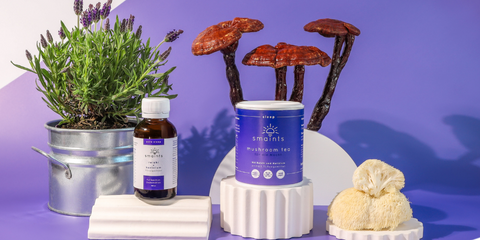
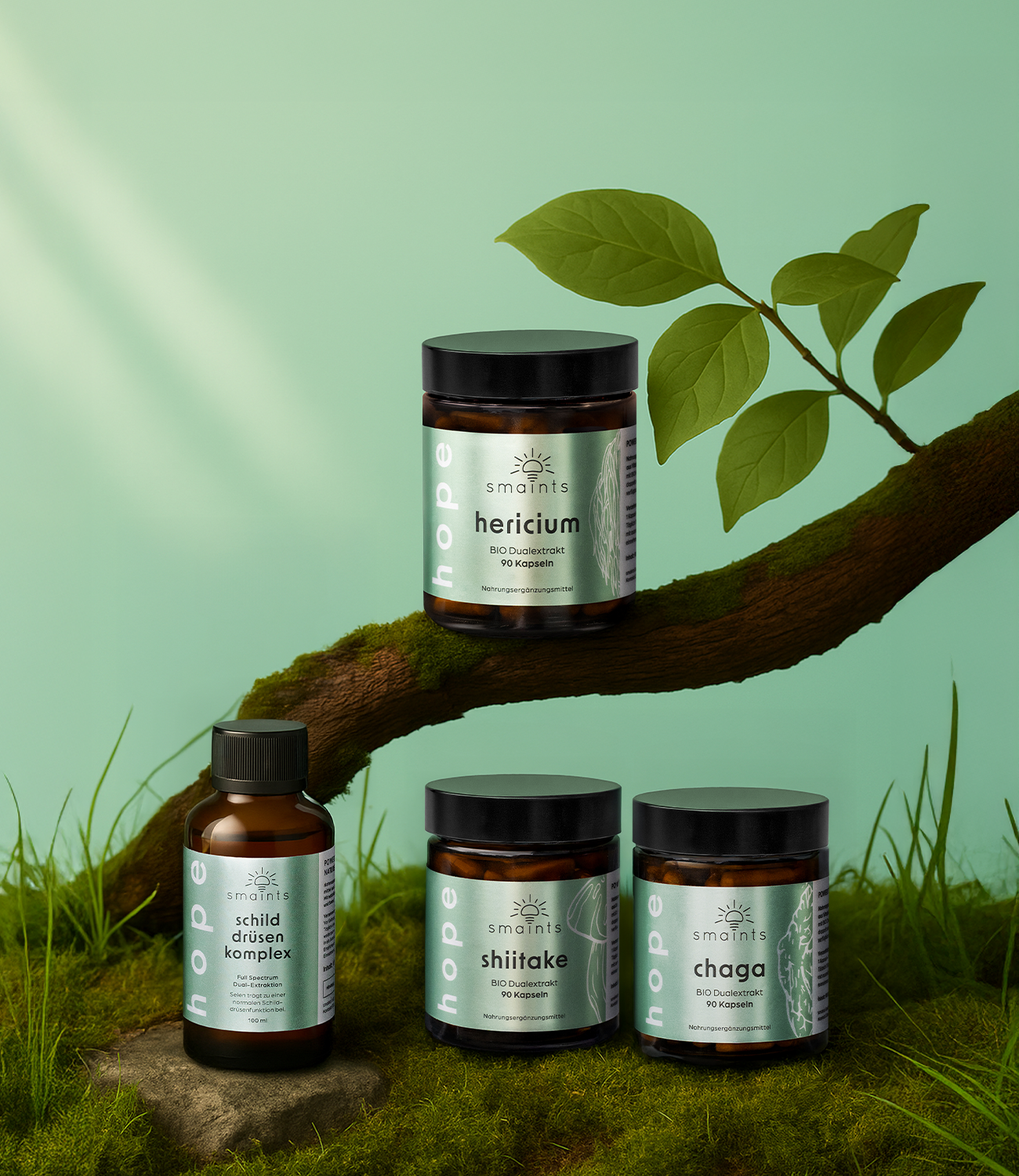
First of all: As with any dietary supplement, quality is crucial. To obtain a high-quality product with high bioavailability, you should opt for certified quality. Mushrooms from the EU, production in Germany, and analysis by an independent laboratory are, for example, indicators of high-quality dietary supplements. At smaints, we guarantee that you receive medicinal mushroom products of the highest quality , which are easy to use and highly concentrated. Reishi, for example, is available as a liquid extract or in mushroom tea .
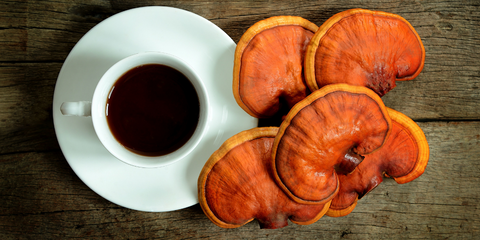
Traditional Chinese Medicine (TCM) still uses Reishi mushrooms to make tea. In Western medicine, Reishi extracts and capsules containing the powder are more popular. Generally speaking, the ingredients in a powder are more difficult for the body to absorb, meaning their bioavailability is lower. In an extract, the active ingredients are significantly more concentrated. With aqueous extraction (e.g., boiling the Reishi mushroom), water-insoluble substances are often missing.
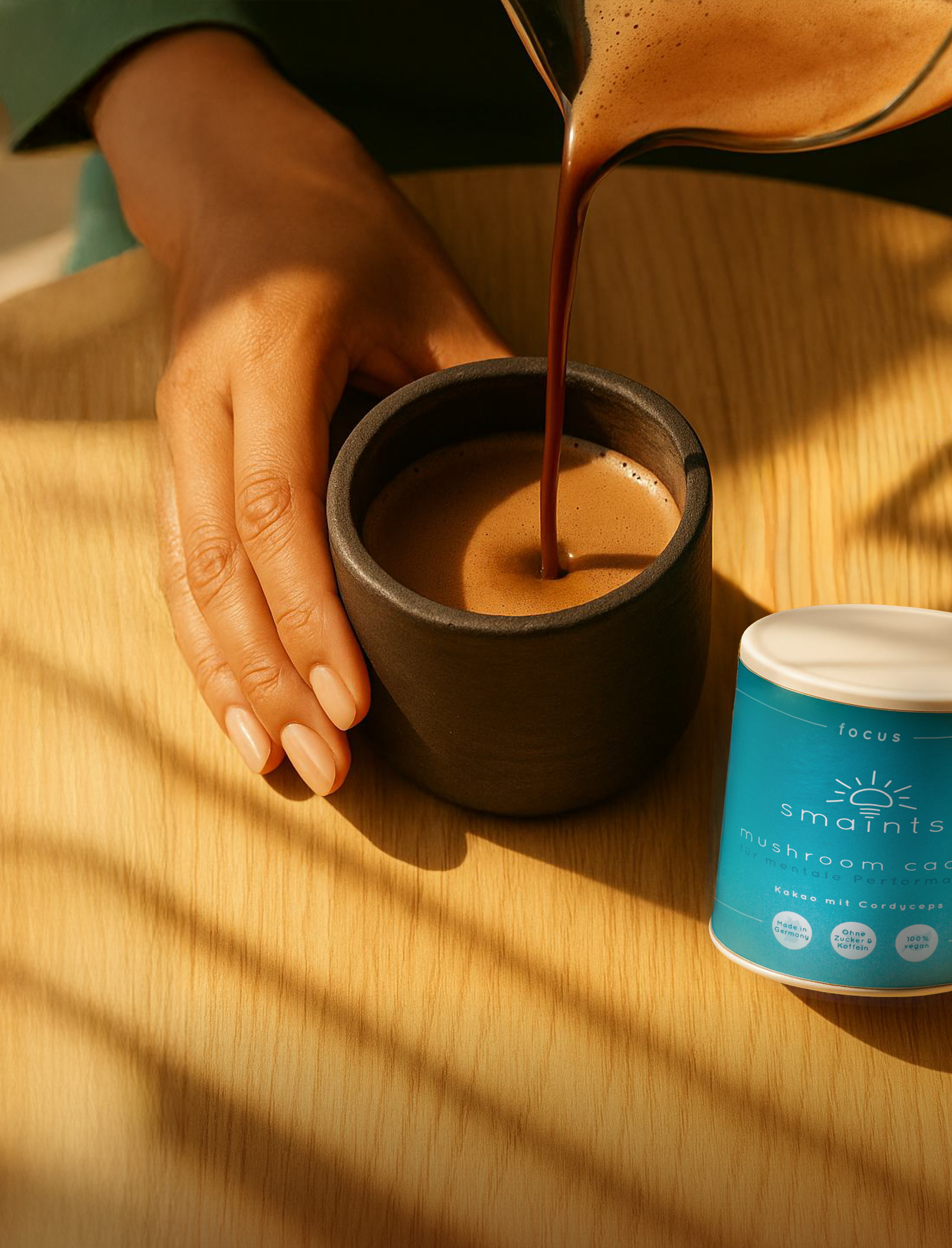
At smaints, we use a very gentle dual extraction process to ensure that all active ingredients are highly concentrated and readily available. For many people, ease of use in everyday life is also a crucial factor. A powder for tea or an extract can easily be incorporated into your daily routine. Constantly swallowing capsules feels unnatural to many and more like illness than health. Therefore, we highly recommend our liquid extract and Mushroom Tea .
There is no single recommended dosage for Ganoderma lucidum. Some experts suggest taking 6 mg of alcoholic extracts and up to 5 g of powder. However, since each product contains different amounts of active ingredients, we recommend following the manufacturer's instructions (preferably from a reputable source!).
Reishi mushrooms are generally well-tolerated. However, temporary digestive upset is possible, especially at the beginning of treatment. Therefore, it may be advisable to start with a low dose and gradually increase the daily amount. Reishi is also known to thin the blood and potentially reduce clotting. While this is generally considered a positive property, it can be dangerous for some patients, for example, those with an increased risk of bleeding or who are already taking blood thinners. Furthermore, interactions between Ganoderma lucidum and medications cannot be ruled out. For your health, it is therefore recommended that you consult your doctor or naturopath if you are taking any medication.
The efficacy of medicinal mushrooms has not yet been sufficiently proven to use them as medications for treatment. However, this does not mean that Reishi is ineffective. Quite the contrary! Current research is already providing initial insights into its ability to promote health in many ways. Many of its constituents have already been extracted and are known from other plants or fungi. For example, current studies are investigating Reishi's ability to strengthen the immune system, influence blood sugar levels, promote restful sleep, support liver function, and improve overall well-being. This medicinal mushroom demonstrates very beneficial and remarkable properties in all these areas.
The glossy polypore, also known as Reishi, is likely native to the entire world. This medicinal mushroom is particularly valued in Asia, where it plays a significant role in traditional medicine.
If you want to take Reishi as a dietary supplement, you should choose a high-quality product. Adhere to the dosage instructions for the specific product. Generally, it's advisable to start with a small amount and gradually increase it to ensure optimal tolerability. If you are already taking medication, you should discuss the use of Ganoderma lucidum with your doctor to avoid any interactions.
Are you looking for a reputable supplier of safe, easy-to-use, and bioavailable Reishi products? Then you've come to the right place at smaints. We are a young startup from Germany with innovative medicinal mushroom products . Feel free to take a look around .
Are you interested in the fascinating world of medicinal and medicinal mushrooms? Then take a look at our blog . There you'll find information about various mushrooms and their effects.
Sources:
https://www.krankenkassenzentrale.de/produkt/ling-zhi
https://pubmed.ncbi.nlm.nih.gov/34211003/
https://examine.com/supplements/ganoderma-lucidum/
https://pubmed.ncbi.nlm.nih.gov/25954905/
https://www.ncbi.nlm.nih.gov/books/NBK92757/
https://www.researchgate.net/publication/247855021
https://www.sciencedirect.com/science/article/abs/pii/S1756464617302232?via%3Dihub
https://pubmed.ncbi.nlm.nih.gov/10967475/
https://pubmed.ncbi.nlm.nih.gov/10624872/
https://eurekamag.com/research/010/799/010799017.php
https://journals.plos.org/plosone/article?id=10.1371/journal.pone.0159631


Organic functional mushrooms
from Europe

Scientifically developed - tradition meets modernity

Suitable for everyday use & delicious

Independently laboratory tested
in Germany