More than half of all adults in Germany have elevated cholesterol levels. Around 20 percent even have significantly elevated levels, putting them at high risk for cardiovascular disease. The good news is that lifestyle plays a crucial role in most cases. In other words, you can lower your cholesterol naturally. You can find out how here.
Cholesterol is a natural substance essential for the body, as it is needed for the formation of cell membranes, hormones, and vitamin D. Cholesterol belongs to the lipids, which are fats. The body produces most of its own cholesterol; we obtain the rest through our diet. Although we cannot function without cholesterol, excessively high cholesterol levels can increase the risk of cardiovascular disease.

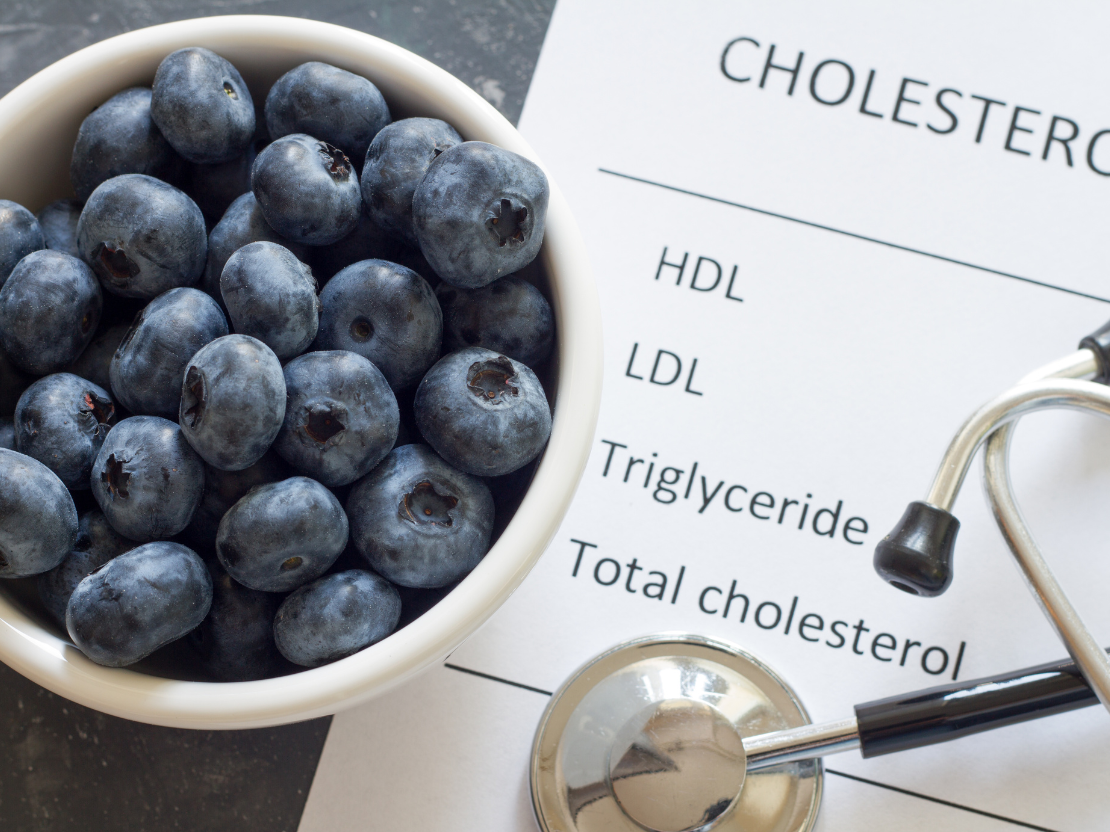
A healthy cholesterol level in the blood should be below 200 mg/dL. An LDL cholesterol level of less than 100 mg/dL is considered optimal for people at high risk for cardiovascular disease. Hyperlipidemia is the medical term for elevated cholesterol levels. This condition is classified as a lipid metabolism disorder. Standard treatment includes statins and lifestyle changes.
Besides cholesterol, triglycerides are also involved in fat metabolism in our bodies. A lipid metabolism disorder can therefore affect cholesterol levels, triglyceride levels, or both. The latter is referred to as hyperlipoproteinemia. The causes of these three metabolic disorders are similar. Genetic factors almost always play a role. However, a familial predisposition does not necessarily mean that the disease will develop. Lifestyle is the deciding factor. An unhealthy diet, lack of exercise, being overweight, and smoking are such influencing factors. Since modern lifestyles often reflect this, elevated cholesterol levels are one of the most common lifestyle diseases.
Rarely, there are also lipid metabolism disorders that are purely genetic. This is the case, for example, when children already have excessively high cholesterol levels. Furthermore, there are secondary lipid metabolism disorders. The cause here lies in an underlying disease or simply in lifestyle. Examples include: metabolic syndrome, hypothyroidism, Hashimoto's thyroiditis, high alcohol consumption, anorexia, and liver diseases.

Fats, and consequently cholesterol, are not soluble in blood. To be transported through the bloodstream, they are packaged into small particles called lipoproteins. These are classified according to their density. Cholesterol particles are broadly divided into high-density lipoprotein (HDL) and low-density lipoprotein (LDL). HDL cholesterol is often referred to as "good" cholesterol because it helps remove excess cholesterol from the blood. Therefore, its level should be relatively high. LDL cholesterol is often referred to as "bad" cholesterol because it accumulates on the walls of the arteries, increasing the risk of atherosclerosis and heart disease. The ratio between HDL and LDL cholesterol is frequently used to assess the health risks associated with cholesterol. A value below 3.5, or preferably below 3, is desirable.
Elevated blood lipid levels can remain undetected for a long time because they initially cause no symptoms. Even when they are detected, there is often no perceived urgency to act, since cholesterol doesn't cause pain. This is a serious problem, because LDL cholesterol leads to arteriosclerosis (hardening of the arteries): LDL cholesterol is deposited in the arteries. This creates so-called plaques, which eventually completely block the artery. The plaques also trigger inflammatory reactions in the body, which, in the long term, make the blood vessels rigid and brittle. This increases the risk of a plaque rupturing and forming a blood clot. Depending on where this occurs, the consequences can be:
All these consequences can cause long-term damage and reduce lifespan and quality of life.
When elevated blood lipid levels occur in combination with other lifestyle diseases such as diabetes, obesity, or high blood pressure, it is referred to as metabolic syndrome. The risk of cardiovascular disease and ultimately a shortened lifespan increases significantly.
A simple blood test is sufficient to detect elevated cholesterol levels early. People with a family history of high cholesterol should therefore have regular checkups. From the age of 35, the costs of a health check-up are covered every three years. This check-up also includes testing of cholesterol levels.
Since lifestyle has such a significant impact on the development of high cholesterol levels, this factor can also be adjusted to lower levels naturally. In some cases, a healthy lifestyle can even make cholesterol-lowering medication unnecessary or allow for a reduction in dosage.

Dietary cholesterol leads to high cholesterol levels in the blood. This was the prevailing assumption among scientists just a few years ago. This belief contributed, among other things, to the negative reputation of eggs. Today, we know that unhealthy fatty acids like trans fats play a much larger role. These fats are found in fried foods and baked goods, among other things. They are also present in processed foods, which is one reason why fast food and convenience foods are not (or only rarely) part of a healthy diet. If you have elevated blood lipids, you should generally pay attention to a healthy diet, which means:
Physical activity offers two benefits. Exercise increases energy expenditure, which in turn can contribute to a healthy weight. Furthermore, there appears to be a link between endurance exercise and cholesterol levels. The goal should be to be active for at least 30 minutes a day. This could be a walk, a short bike ride, or even Nordic walking.
Our tip: Incorporate more movement into your daily routine. Take the stairs instead of the elevator. Walk or cycle more often instead of driving. Or plan an active lunch break.
People who smoke tobacco have an overall increased risk of cardiovascular disease. Smoking damages blood vessels and makes it easier for LDL cholesterol to accumulate in the arteries. Furthermore, smoking is said to raise blood lipid levels, even though lowering them is actually desirable. Smoking thus hinders the treatment of elevated cholesterol levels. Smokers are therefore advised to focus on quitting. Support services such as counseling, behavioral therapy, or nicotine patches, sprays, or gum can be used to help with this.
In addition to diet, exercise, and not smoking, alternative healing methods such as medicinal plants are gaining importance in supporting therapy. You can incorporate some herbs and spices into your everyday diet and thus benefit from their advantages. For others, significantly higher quantities are needed, so you can take them in concentrated form as dietary supplements.
Allicin is a secondary plant compound found in garlic. Cell and animal studies have repeatedly shown allicin to be beneficial in lowering cholesterol. However, this effect has not been demonstrated in humans. In a study published in 2007, researchers found no beneficial effect on cholesterol or blood lipid levels, neither from fresh garlic nor from garlic extract.
Stopping cholesterol-lowering medication and taking garlic extract instead is therefore not a good idea. But you can still incorporate the delicious bulb into your diet, as it scores points for its flavor and contains other potentially beneficial ingredients.
Spices are said to have anti-inflammatory and antioxidant effects due to their numerous phytochemicals. Both of these properties indirectly benefit those with elevated cholesterol levels. One of the best-known examples is turmeric. Its anti-inflammatory effect has been confirmed in cell studies, and scientists have already understood its mechanisms of action. A delicious way to incorporate more turmeric into your diet is golden milk.

Other spices that are said to have an effect on cholesterol levels include:
Some classic teas, such as black, green, and oolong tea, are said to have cholesterol-lowering properties. In China, Pu-erh tea is particularly popular for combating high cholesterol. This effect is believed to be achieved through reduced dietary fat intake. Furthermore, the antioxidants it contains offer good protection for the cardiovascular system.
Maitake is a popular edible mushroom from Japan that is also used in traditional medicine. There, it is taken as a mood enhancer, to protect against diabetes and high blood pressure, and also to lower high LDL cholesterol. Researchers are increasingly investigating such effects of medicinal mushrooms in scientific studies. For example, an animal study has already shown that maitake powder lowers cholesterol levels. Scientists also discovered that maitake suppressed cholesterol gene expression when consumed concurrently with cholesterol-rich foods. Furthermore, it suppressed a factor that contributes to the development of atherosclerosis.
Reishi is also a medicinal mushroom, particularly valued in Japan and in traditional Chinese medicine. It is increasingly gaining popularity here as well, as it can promote inner balance and aid sleep. In addition to these beneficial effects, Reishi is also believed to influence lipid metabolism. Studies on cells and mice have demonstrated a cholesterol-lowering effect. However, conclusive human studies are still needed to confirm this.

Power through nature! At Smaints, we believe in a holistic approach. Those who want to stay healthy for a long time shouldn't just focus on their LDL cholesterol levels, but should strive for a healthy lifestyle overall to protect against metabolic syndrome, diabetes, high blood pressure, burnout, and other lifestyle-related diseases. And nature helps us with this. A healthy diet, sufficient sleep, daily exercise, and relaxation to reduce stress are all part of the equation.
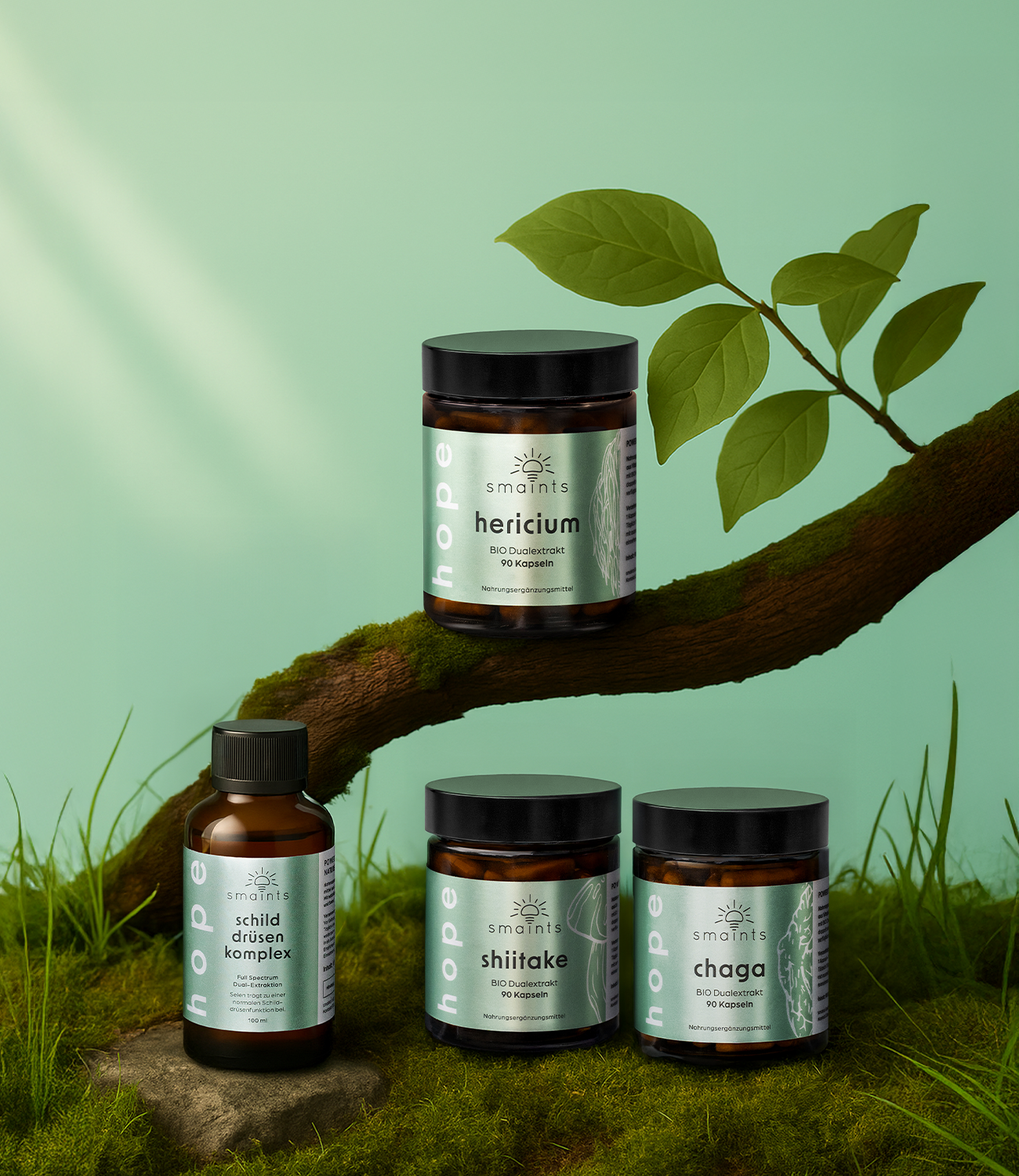
Our products can support you in this. If you have high cholesterol, we particularly recommend our products from the Balance range . These contain both Reishi and Maitake. If you have a known family history of high cholesterol, it's worthwhile using medicinal mushrooms for prevention and thus taking a proactive approach.
If your thyroid is the cause of your elevated cholesterol, then we recommend Cordyceps. Learn more about this topic → Hashimoto's and medicinal mushrooms.

Sources:
https://www.bfr.bund.de/de/gesundheitliche_bewertung_von_fettsaeuren-54422.html
https://www.leitlinien.de/themen/khk
https://pubmed.ncbi.nlm.nih.gov/17325296/
https://pubmed.ncbi.nlm.nih.gov/24292357/
https://www.ncbi.nlm.nih.gov/pmc/articles/PMC1168986/


Organic functional mushrooms
from Europe

Scientifically developed - tradition meets modernity

Suitable for everyday use & delicious

Independently laboratory tested
in Germany