
More and more people are reporting a so-called histamine intolerance these days. This can significantly impact daily life and, above all, the enjoyment of food. Symptoms such as abdominal pain and diarrhea are not uncommon. Today we want to look at natural ways to manage this and how medicinal mushrooms can help.
Histamine intolerance is an adverse reaction and usually means that you have too much histamine in your body. Histamine uptake/production and its breakdown are no longer in balance. Histamine is a biogenic amine that is released by the body during allergic reactions and acts as an inflammatory mediator. It also has a significant impact on the immune system. This can lead to symptoms such as rapid heartbeat, runny nose, diarrhea, headaches, fatigue, high blood pressure, fluid retention, and skin rashes.

The enzyme DAO, diamine oxidase, is primarily responsible for breaking down histamine. This breakdown mainly takes place in the intestines. A deficiency of this enzyme therefore leads to an accumulation of histamine in the body. While a DAO deficiency can be genetically determined, reduced activity is also frequently caused by a nutrient deficiency. For the enzyme to function properly, it requires the cofactors zinc, vitamin B6, and copper. Hormonal imbalances, such as estrogen dominance, as well as damage to the intestinal lining, also affect DAO activity.

DAO activity, co-factor concentration, and histamine levels can be determined through a blood test. If you have had these tests done, or if you frequently experience the symptoms mentioned above after eating, a histamine intolerance is possible.
1. Gut health
As mentioned earlier, the gut plays a crucial role in breaking down histamine. Therefore, it's all the more important to take good care of your gut. You can find a number of tips on this, including how medicinal mushrooms can help, here .
2. Nutrition
Foods high in histamine should be avoided initially. These include primarily aged foods such as cheese and wine, sausages, fish, dried fruits, avocados, and bananas. While fermented foods like sauerkraut generally promote gut health, they also contain plenty of histamine.
However, there are also foods that don't contain much histamine per se, but lead to an increased release of histamine. These include citrus fruits and cocoa, for example. Alcohol also reduces the activity of DAO.
3. Dietary supplements
Depending on the lab results, it may be worthwhile to supplement with the cofactors copper, zinc, and vitamin B6. After all, a car won't run without gasoline.

4. Medicinal mushrooms
Medicinal mushrooms have been used in traditional Chinese medicine for over 1000 years. Mushrooms are naturally low in histamine, with the exception of chanterelles and porcini mushrooms, and are therefore easily digestible, including medicinal mushrooms. As a result, they do not trigger a histamine-like reaction in the body.
For those with histamine intolerance, the medicinal mushroom Reishi has become indispensable. Also known as "glossy polypore" or "Ling Zhi," this "mushroom of eternal life" is increasingly used to treat histamine intolerance. Reishi can also be helpful for allergies, as these also involve the release of histamine.
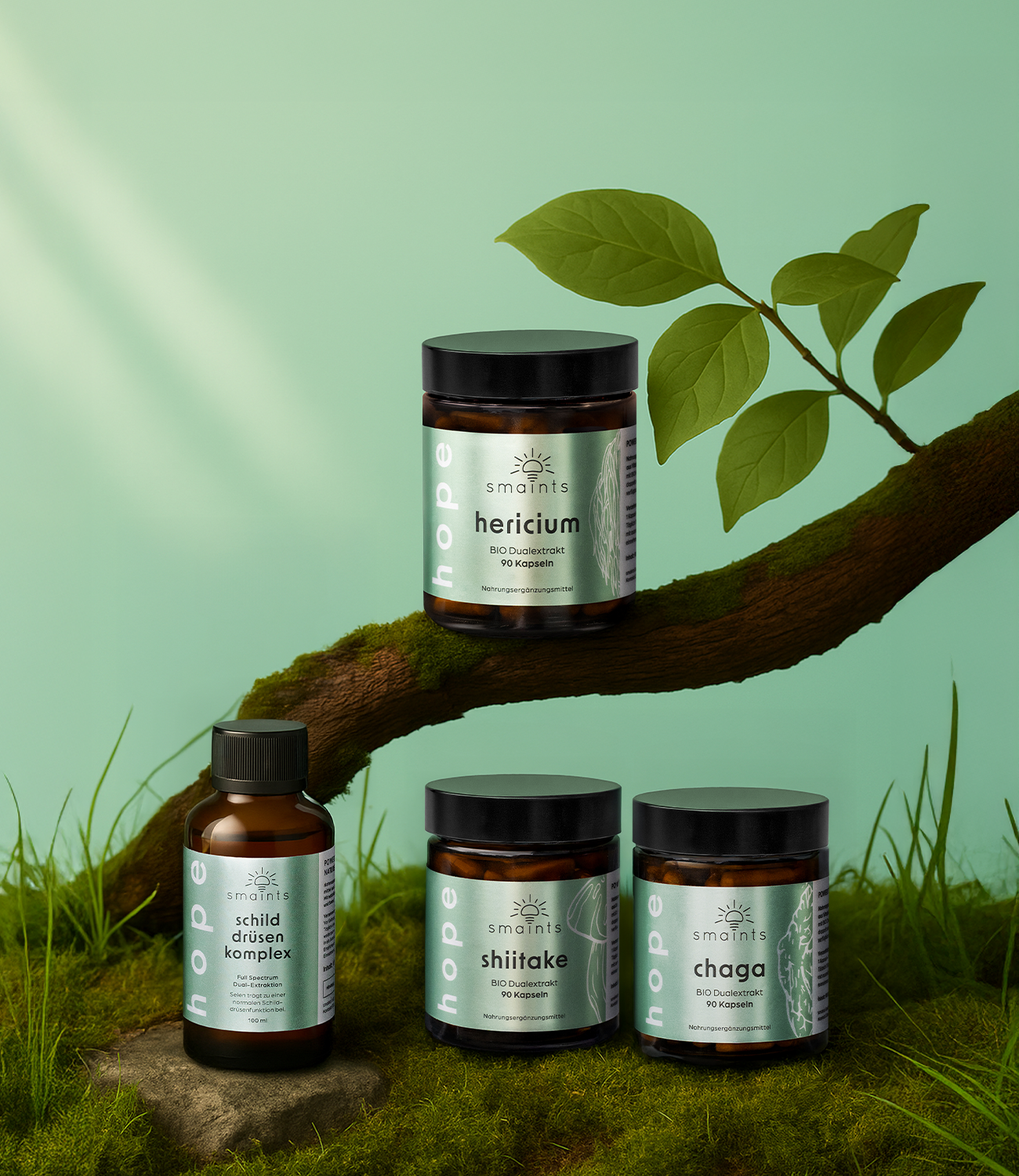
This is due to the triterpenes contained in Reishi. This natural substance inhibits excessive histamine release. This can be used in acute cases, but also to lower the histamine levels in the body in the long term. Reishi has an anti-inflammatory effect thanks to steroid-like components and dampens an overactive immune system. Furthermore, Reishi contains valuable nutrients, including copper and B vitamins. It thus provides the body with cofactors for histamine breakdown. Learn more about Reishi – the king of medicinal mushrooms – here .

Strengthening the immune system can also help improve histamine intolerance. Another helpful medicinal mushroom is chaga. The antioxidants it contains support the immune system in regulating itself more effectively. You can find 10 tips for boosting your immune system here .

In summary, medicinal mushrooms are a wonderful addition to combat both the symptoms and the cause of histamine intolerance.
Both medicinal mushrooms can be taken at any time of day. Since Reishi also has a calming effect on the nervous system, taking it in the afternoon/early evening is beneficial and can have positive effects on sleep. It is important to take medicinal mushrooms for at least a few weeks. The body needs some time to adjust to their effects. A higher dosage at the beginning can be beneficial, especially for those with histamine intolerance, and also in cases of acute allergic rashes. Caution is advised if you are taking blood-thinning medication. Reishi can also have a blood-thinning effect and should be considered, for example, before surgery. Reishi can also lower blood pressure. Some caution is advised when taking blood pressure medication and Reishi concurrently. It is also important to ensure good quality and, above all, purity. Otherwise, you will ingest toxins that you don't want. The medicinal mushrooms from smaints come from organic and controlled cultivation in Europe.
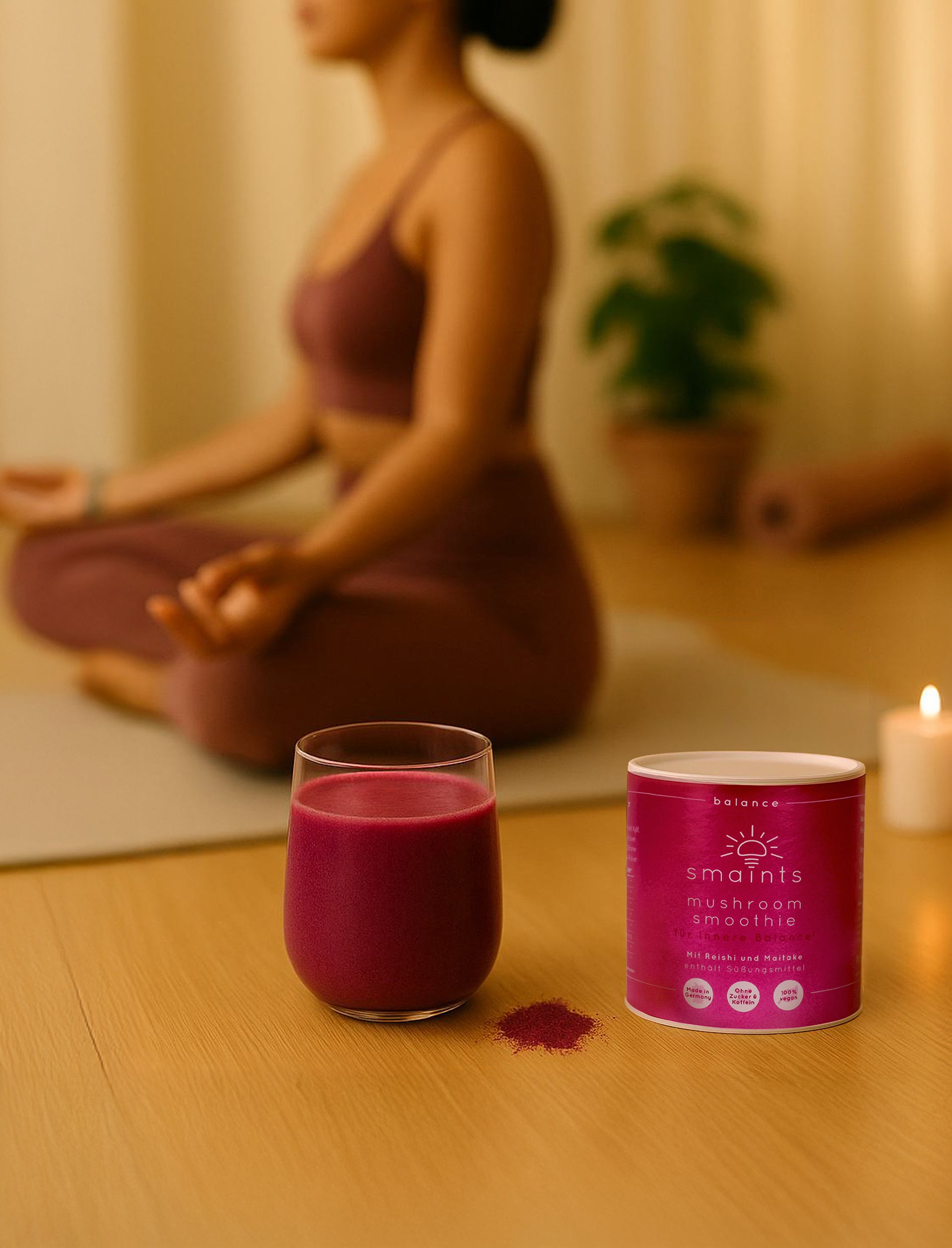
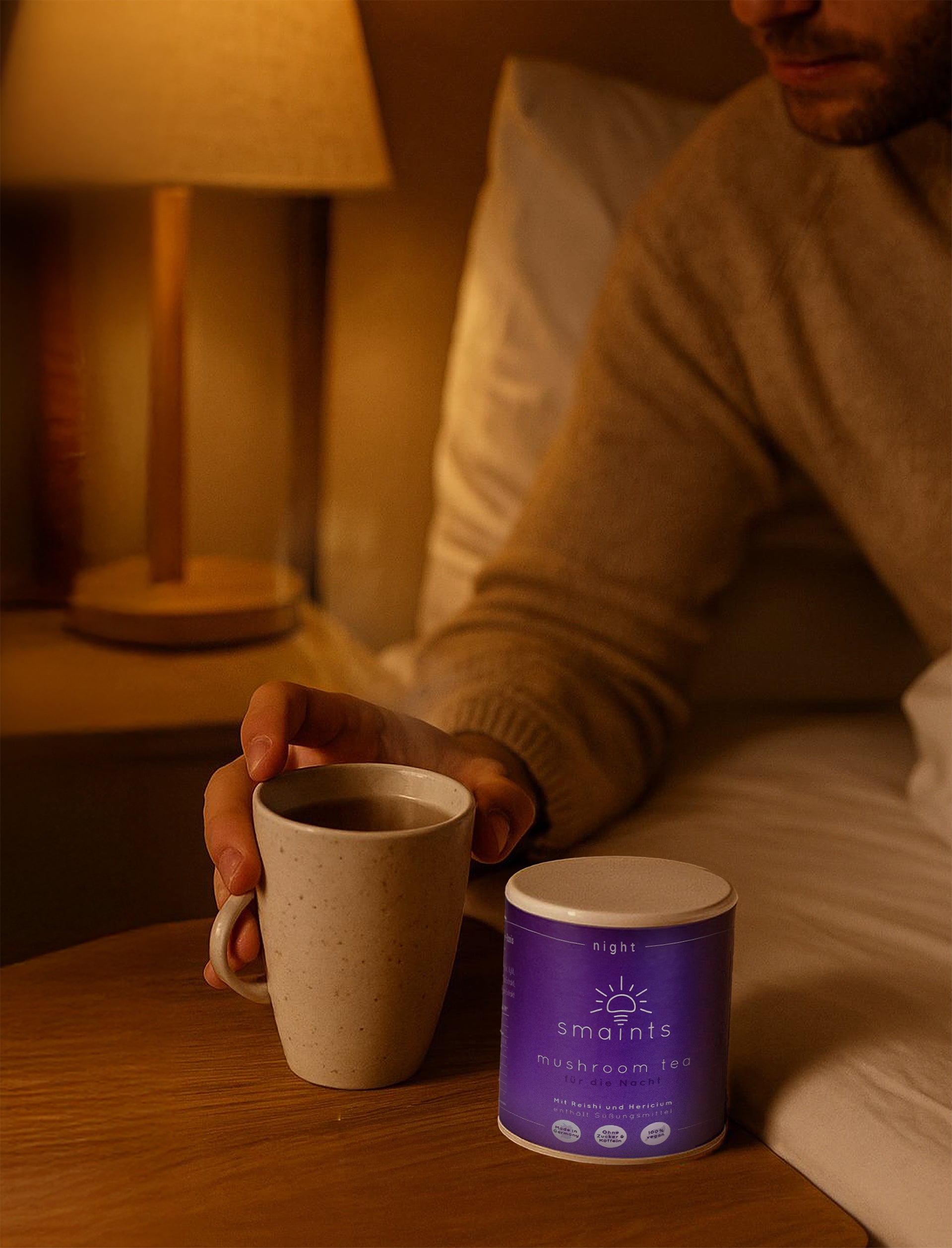
Since Reishi is particularly important for histamine intolerance, we recommend the smaints balance products . They can also have an extremely beneficial effect on the nervous system and hormones. Those wishing to further strengthen their immune system can combine these products with the pure immune liquid extract, which contains the medicinal mushroom Chaga. Additionally, the night products also contain Reishi, which can help stabilize histamine levels during the night.
We hope we've given you a good insight into the world of medicinal mushrooms and shown that histamine intolerance doesn't mean you can never eat histamine-containing foods again – just be brave and have confidence! We hope you can take some helpful tips with you into your everyday life.
Yours, Verena

Sources:
https://flexikon.doccheck.com/de/Histaminintoleranz
https://www.healthline.com/health/histamine-intolerance#what-it-is
https://www.ncbi.nlm.nih.gov/pmc/articles/PMC8143338/
https://spitzen-praevention.com/wissen/vitalpilze-medizinalpilze/
https://pubmed.ncbi.nlm.nih.gov/17875480/
https://pubmed.ncbi.nlm.nih.gov/17655889/
Disclaimer of liability:
No diagnoses or treatments are suggested. The recipes and health tips are based on the author's knowledge and personal experience.
The author assumes no liability for any health problems that may arise from consuming the foods/supplements presented or from using the tips. No health claims are made.

Beantworte 6 kurze Fragen zu deinen Zielen und deinem Alltag.


Organic functional mushrooms
from Europe

Scientifically developed - tradition meets modernity

Suitable for everyday use & delicious

Independently laboratory tested
in Germany