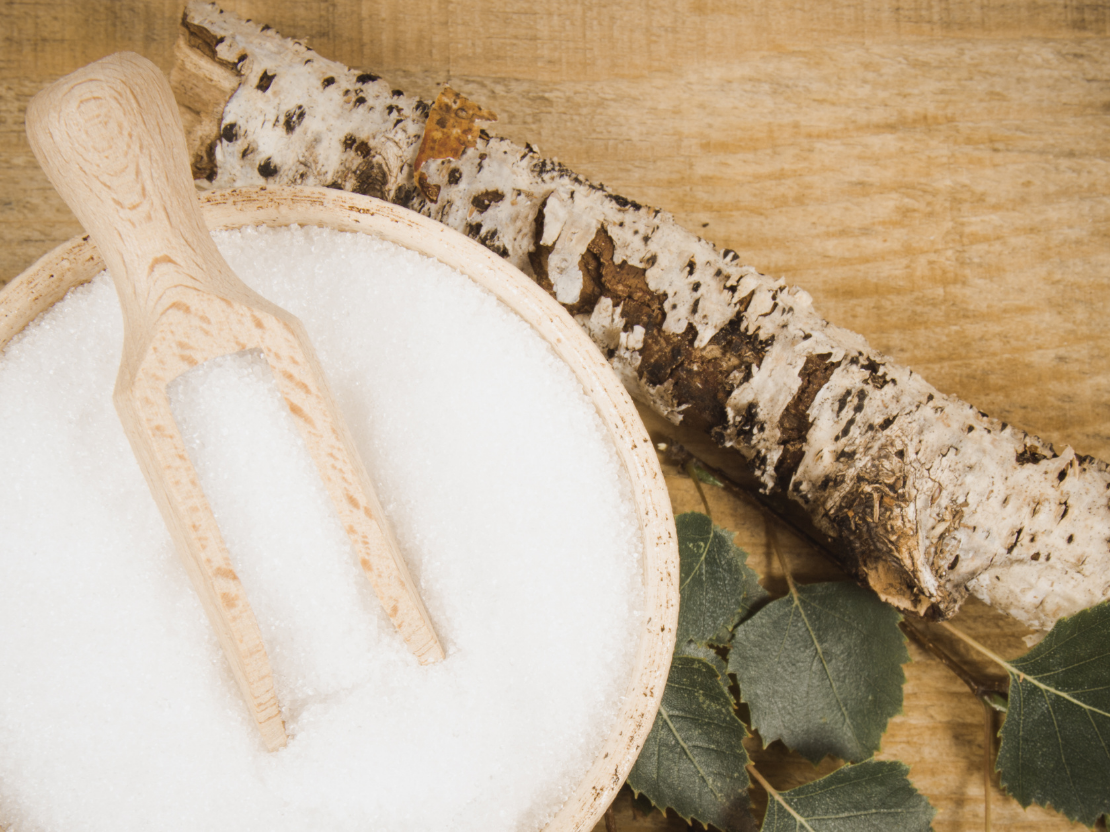
Sugar is ubiquitous in our food. It hides in many products that are supposed to be healthy. But sugar can be harmful. Not with us! When developing our products, we consciously avoided refined sugar and used xylitol. However, we are frequently asked whether xylitol is healthy or rather dangerous. Therefore, we have compiled everything you need to know about birch sugar.
Xylitol, pentanpentol, E 967, and birch sugar all refer to the same sweetener. It was originally extracted from birch wood, hence the common name "birch sugar." Xylitol was discovered around 1891 and has been used as a sugar substitute in food since 1960. Unlike sugars such as table sugar, fructose, and lactose, xylitol is not a "true sugar" but rather a sugar alcohol. You can recognize this by the "-it" suffix. Other well-known sugar alcohols include erythritol, sorbitol, mannitol, maltitol, and lactitol. They should not be confused with artificial sweeteners such as aspartame, acesulfame, stevia, or saccharin. Artificial sweeteners have virtually no calories and a significantly greater sweetening power than regular sugar, but often have an unpleasant aftertaste.

Xylitol is more closely related to granulated sugar. Its taste is also very similar. However, a slightly cooling effect can be noticed in the mouth when consuming it. While birch sugar does contain calories, it has significantly fewer than table sugar (sugar: 400 kcal/100 g; xylitol: 240 kcal/100 g), while maintaining the same sweetness. This means that if you substitute xylitol for sugar in recipes, you can maintain the same proportions and save yourself approximately half the calories.
Xylitol is so popular as a sugar substitute for several reasons:
The names xylitol and xylitol sound very chemical or even artificial, while birch sugar sounds completely natural. The truth about its production probably lies somewhere in between. While xylitol does occur naturally in some fruits and plants, its production today is quite complex. Raw materials such as birch wood, corncob residue, straw, or cereal bran serve as the basis. These are hydrogenated to produce xylitol. High temperatures and acid or sodium hydroxide are required for extraction. Xylitol can also be produced through fermentation. Thus, xylitol powder isn't exactly natural, but the raw materials do come from nature. This is similar for some other sugar alternatives like erythritol, and even for regular table sugar.
Most sweeteners, however, are produced entirely chemically. Sucralose and saccharin are examples of artificial sweeteners. These chemical compounds accumulate in the environment. The resulting effects are not yet fully understood. This is not the case with xylitol. It is produced from renewable resources and ultimately breaks down into harmless substances that are safe for the environment.

A low-carb diet is no longer just a passing trend. Scientific studies regularly highlight the benefits of a reduced-carbohydrate diet. However, finding healthy sweeteners with very few carbohydrates isn't easy. Honey, coconut blossom sugar, and similar products contain calories and carbohydrates, just like regular sugar. A look at the nutritional information for xylitol reveals that 100g of xylitol contains 100g of carbohydrates. These aren't sugars, however, but sugar alcohols, also known as polyols. They are barely metabolized by the body, which explains the low calorie content. Therefore, xylitol must be listed with a significant amount of carbohydrates in its nutritional information; nevertheless, it's suitable for a low-carb diet because the body can only partially utilize them.
By the way, sugar alcohol is a chemical term. It has relatively little to do with ethanol, the alcohol in drinks like beer or wine. Therefore, birch sugar is also suitable for children and drivers ;-)
Those who want to reduce their intake of refined sugar usually have health concerns in mind. This might include avoiding obesity and certain diet-related illnesses. Dental health can also play a role. A healthy sugar substitute is therefore expected to avoid these negative effects. We examined xylitol in relation to its health benefits and discovered some surprising findings during our research.
Sugar is bad for teeth; everyone knows that. Certain bacteria, like Streptococcus mutans in our oral flora, can metabolize it into acid, and acid leads to the demineralization of tooth enamel. This gives microorganisms an easy time. If the enamel is damaged, they can easily penetrate the tooth and destroy it. This isn't the case with sugar alcohols. Bacteria cannot digest these substances and therefore cannot convert them into acid that damages tooth enamel. Of the sugar substitutes, only xylitol has additional protective properties. Xylitol binds to harmful bacteria and essentially starves them. Daily consumption is said to reduce the growth of caries-causing bacteria and lead to less plaque.

Dr. Karin Bender-Gonser , a holistic dentist, has written several books on dental health. According to her, xylitol is a "miracle cure for cavities." She recommends a daily intake of five to seven grams of xylitol for comprehensive dental care.
When you're overweight, your calorie balance is key. To lose weight, you need to consume fewer calories than you burn. This can be achieved through increased physical activity, such as sports and everyday movement, as well as dietary changes. Sugar consumption is one of the factors you can control. Sugar is a high-calorie food with few essential nutrients and puts a strain on blood sugar levels. However, completely eliminating sweets from your diet overnight isn't easy. That's why birch sugar (xylitol) can be helpful for weight loss. This sugar alternative contains significantly fewer calories than regular sugar. It shouldn't simply replace sugar entirely, but rather support you during the transition phase when weaning yourself off sweet tastes. Consumer protection agencies also recommend using birch sugar in moderation as a substitute for weight problems or diabetes.
Xylitol is a particularly interesting sweetener for diabetics, as it has a minimal impact on blood sugar levels. People who are already insulin-dependent should calculate approximately 1 bread unit (BE) for 20 g of xylitol. It is recommended to check blood sugar levels after consuming xylitol. Furthermore, scientists suspect that xylitol could even reduce insulin resistance in body cells in type 2 diabetes. Therefore, it can not only serve as a sugar substitute but may also be used in the future as a dietary supplement with additional health benefits.

Xylitol, a sugar substitute, is not harmful to humans! However, you shouldn't consume too much xylitol at once. Because our bodies can't metabolize this sugar alcohol very well, it reaches the lower parts of the intestines where it is quickly digested by gut bacteria. Large amounts of xylitol can therefore lead to bloating and diarrhea. So you should test your individual tolerance with small amounts. About 20g is usually well tolerated to start with. Gradually, however, the body gets used to the sugar substitute and can tolerate more of it without problems ( our smaints products contain only about 1g of xylitol per serving).
People suffering from irritable bowel syndrome should avoid birch sugar, as it can trigger symptoms. Xylitol is also less suitable for those with fructose, histamine, or sorbitol intolerance. However, these intolerances are very rare.
Furthermore, this sugar substitute, like some other foods (chocolate, garlic, and more), can be dangerous for animals. For example, it can cause life-threatening hypoglycemia in dogs. We therefore recommend keeping products containing xylitol away from your pets. If your pet accidentally ingests some xylitol, it must be taken to the vet as soon as possible.
One of the disadvantages of xylitol is its price. Birch sugar, like erythritol, stevia, and other sweeteners, is significantly more expensive than granulated sugar.
Sweeteners, sugar substitutes, and similar products are often lumped together. As a consumer, it's not easy to keep track of the various advantages and disadvantages of these substances. Furthermore, the internet is rife with articles containing incomplete or misleading information about nutrition. It's therefore not surprising that there are also several myths surrounding xylitol. We've compiled these for you and will set the record straight.
It is indeed correct that xylitol is a food additive with an E number. However, this alone makes no statement about its health benefits. Vitamins and minerals, which are generally considered healthy, can also be added to foods as additives.
Some manufacturers and retailers have somewhat exploited the name "birch sugar" for advertising purposes. They presented xylitol as a sugar substitute derived directly from nature. However, they failed to mention the complex processing required for these natural raw materials. Consumers felt misled, and the myth of "laboratory-produced xylitol" quickly arose. In reality, the extraction of birch sugar is just as complex as sugar production. Therefore, the sweetness from xylitol is no more or less chemical than regular sugar. The truth about its production lies somewhere in between: xylitol powder is not entirely natural, but the raw materials do originate from nature.
We easily underestimate our sugar consumption. Many believe they only consume a small amount of sugar and therefore don't need sugar substitutes. But we actually consume quite a lot of sugar throughout the day, as it's hidden in many products. A cappuccino in the morning, a pizza for lunch, and sausage for dinner all add up to considerable amounts, even if we haven't consciously eaten or drunk anything sweet. So why not cut back on sugar? Because one thing is clear: sugar consumption in Germany is too high, and sugar contributes to several health problems.
While this statement is true, let's be honest, who can always say no to sweets? Strict prohibitions can also intensify cravings. To avoid this, occasional indulgence is perfectly acceptable. For guilt-free enjoyment, xylitol is a great alternative to sugar.
At smaints, we answer the question of whether xylitol is healthy with a resounding YES. We are convinced of its benefits. Our products are made possible by the absence of sugar and the conscious use of xylitol:
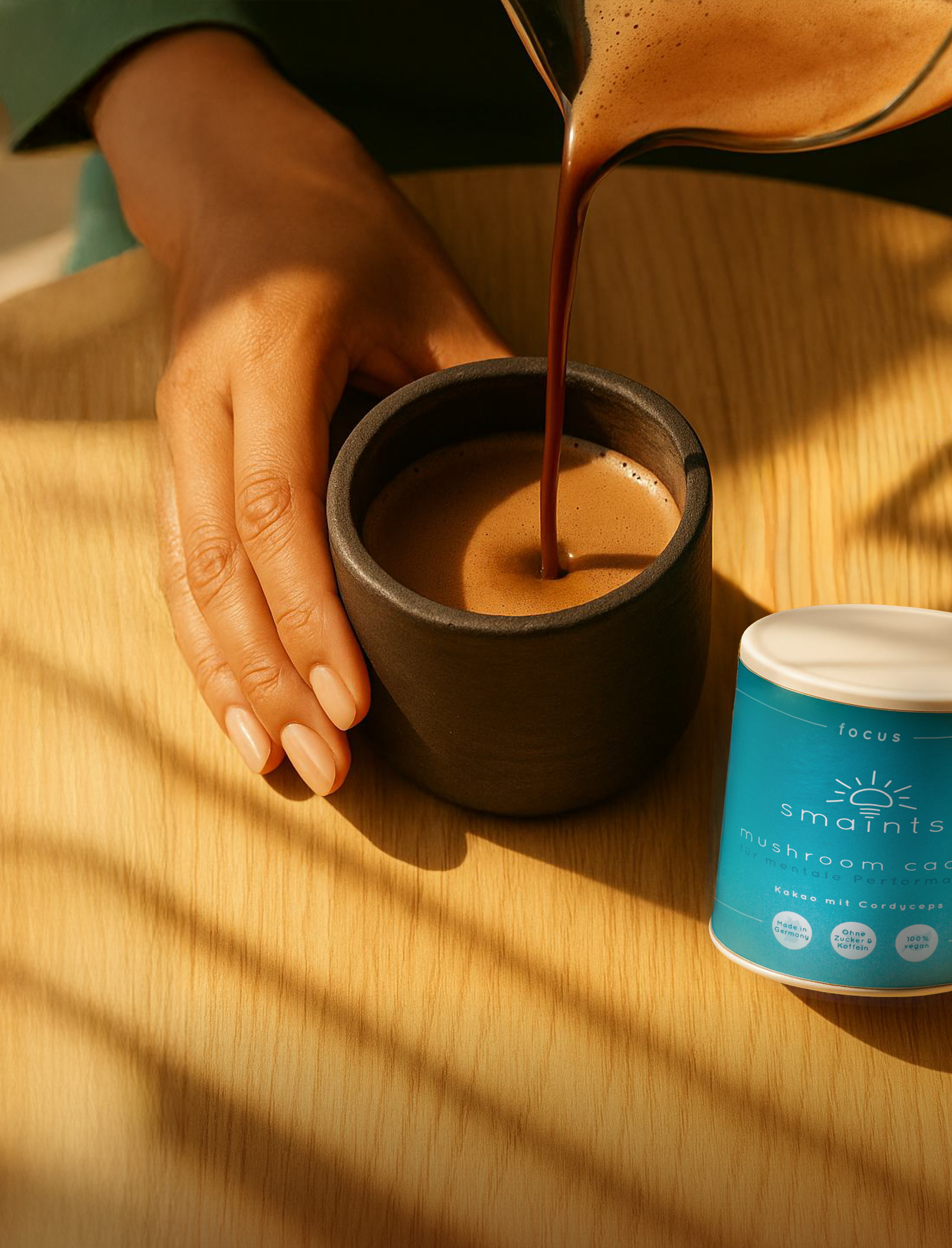
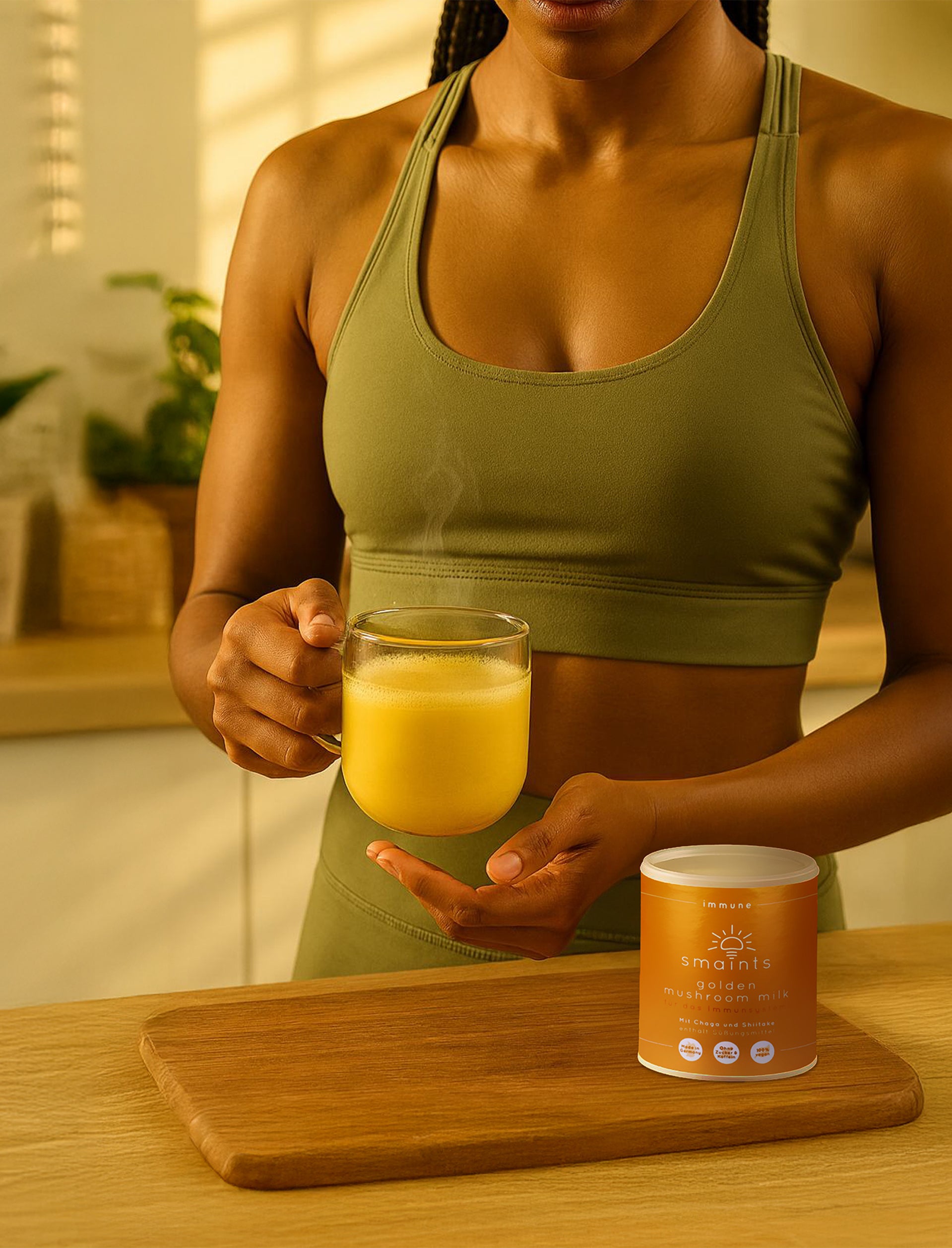
Both our Mushroom Cacao and Golden Mushroom Milk contain only very small amounts of birch sugar (approx. 1 g per serving) and are therefore easily digestible. Compared to other powdered drinks, they are not particularly sweet, making them ideal for weaning yourself off sweet tastes. This allows the focus to remain on the actual ingredient of our products: the medicinal mushrooms. For people who wish to avoid any sugar substitutes due to fructose intolerance or other reasons, we recommend our liquid extracts .

Xylitol, also known as birch sugar, is a sugar alcohol with roughly the same sweetness as regular table sugar. Here's an overview of all the advantages and disadvantages of birch sugar for your diet:
Advantages of xylitol
Disadvantages of xylitol
For us, it was clear: sugar has no place in our products. We weighed the pros and cons of several sugar substitutes, and xylitol convinced us the most. Therefore, you'll find birch sugar in some of our products for a light sweetness without the guilt. Incidentally, our liquid extracts do not contain xylitol.
Sources:
https://www.aok.de/pk/magazin/ernaehrung/lebensmittel/xylit-wie-gesund-ist-der-zuckerersatz/
https://www.mylife.de/gesunde-ernaehrung/xylit/#xylit-nebenwirkungen
https://www.xucker.de/was-ist-xucker/was-ist-xylit/
https://www.xucker.de/magazin/wissenswertes-ueber-xucker/warum-hat-xucker-kohlenhydrate


Organic functional mushrooms
from Europe

Scientifically developed - tradition meets modernity

Suitable for everyday use & delicious

Independently laboratory tested
in Germany