Understanding your own body and using that knowledge to optimize your energy, concentration, and health. Constantly pushing beyond your limits! That's exactly what biohackers strive for. But what exactly is it? How does biohacking work, and can it be dangerous? Find out here!
When people think of "hackers," they often picture computer geeks searching for security vulnerabilities in software systems. And indeed, biohackers do something similar with their bodies. They look for weaknesses in biology and try to fix them. They measure blood values, sleep data, pulse, and other metrics for this purpose. Biohackers systematize and analyze data about their own bodies and develop individual strategies to achieve an optimized self.
There isn't a universally accepted definition of biohacking. Therefore, you'll find many different interpretations. Among biohackers, however, the term is often understood as do-it-yourself biology or a DIY method. The "minimalist biohacker" Marco Grosch describes biohacking as targeted and measurable self-optimization. He says: "A biohacker understands their body and mind as a system by testing, analyzing, and collecting data. With this information, they begin to make targeted changes and record these changes via tracking. A biohacker uses the latest scientific findings from studies, modern technology (optional), ancient knowledge (e.g., Traditional Chinese Medicine), and proven habits to elevate body and mind to a new level of performance."
Overall, the basic concept of self-optimization can be divided into three main areas:
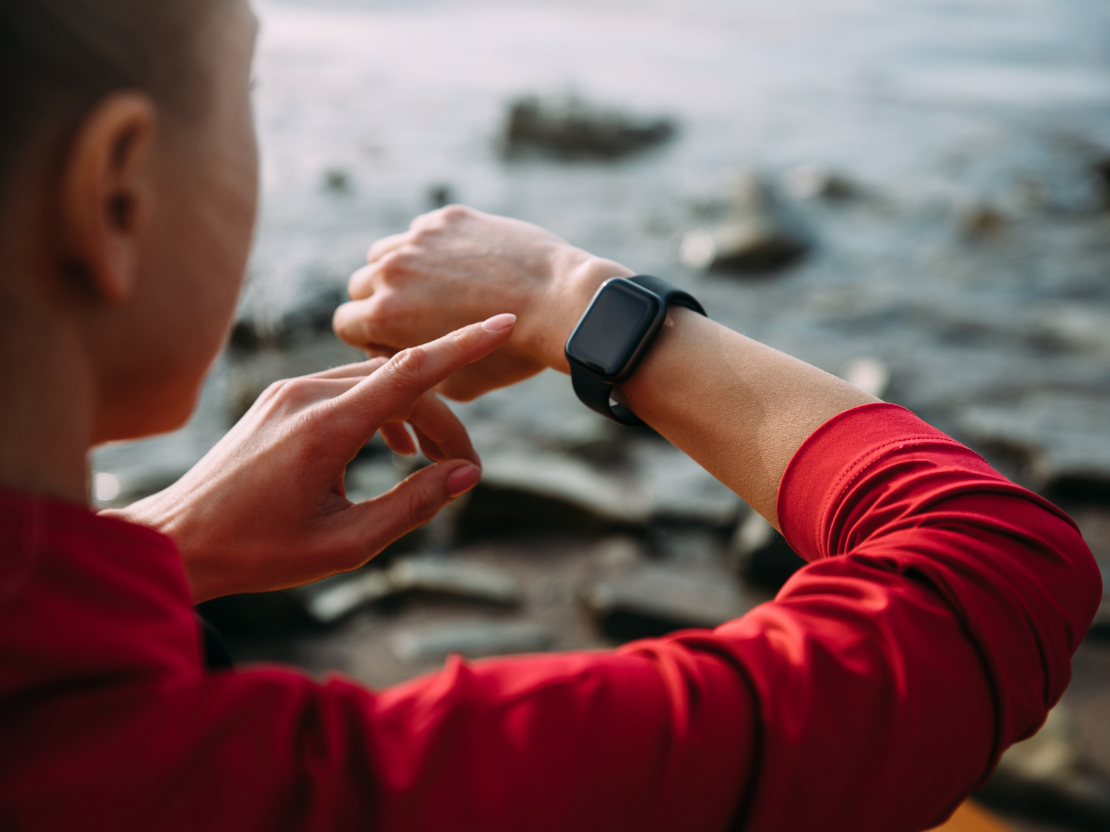
A balanced diet and exercise keep us fit and healthy. Alternating hot and cold showers boost our immune system, and a regular sleep schedule makes us more productive. For many people, this is nothing new, but putting it into practice isn't always easy. Biohackers are trying to understand and improve their bodies biochemically in these areas. For example, a fitness tracker can analyze daily activity. If there's too little exercise, it can be optimized. A new fitness routine can be the solution. Dietary composition can also be adjusted based on analysis and continuous monitoring.

Do you know your genetic code? Probably not, but some biohackers have their DNA analyzed. They look for small mutations and adjust their lifestyles accordingly. Such analyses can, for example, determine your metabolic type. Carbohydrate-protein types are then said to be able to lose weight more effectively with a low-fat diet than with a low-carb diet.
Hackers also want to actively influence their genes. They try to switch certain genes on and others off. This is called epigenetics and can be influenced by external stimuli. The example of genetically identical twins shows us that this is indeed possible. If the environment could not cause any change, then twins would always have the same risk of developing diseases. However, we know that this is not always the case. Diet, exercise, stress, and other factors can make one twin more susceptible and the other more resistant.

This area of biohacking focuses on implants. Small chips are inserted under the skin. Depending on the chip, you can store various data on it. For example, body temperature can be constantly measured for contraception. A popular technique among biohackers allows you to learn a new sense. A kind of small compass is attached to the skin. Whenever you move towards north, you receive a vibration. Over time, your body learns where north is.
Those who want to use biohacking for self-optimization don't have to limit themselves to one area. A combination of methods is both possible and beneficial. You've probably already noticed that some hacks, like a healthy diet, are tried and tested methods, while others, like genetic modification, sound more like something from the future. Therefore, it's always a good idea to approach biohacking with a healthy dose of skepticism and critically examine the various biohacks.
Optimizing one's own body is actually nothing new. Centuries or even millennia ago, people began improving their performance using medicinal plants, vital mushrooms, and herbs. Today, we can combine and verify this knowledge with modern technology.
The origins of modern biohacking lie in the USA. Around the year 2000, a scene emerged from academic circles with the goals of understanding one's own biology and making this knowledge more widely accessible. American elite sports also likely contributed to the popularity of biohacking. Athletes were closely analyzed, and their diets and training regimens were adjusted accordingly.
Biohacking became a true lifestyle, thanks in no small part to the American Dave Asprey. He gained fame with the invention of Bulletproof Coffee in 2009 and the Bulletproof Diet. He derived the idea from yak butter tea from Tibet.

Biohacking aims to get the most out of the body. It is claimed to have an effect on many different areas of health. Optimized sleep, increased energy, reduced stress levels, improved stamina and performance, and even a longer life are possible goals. Some of these techniques are scientifically proven, others have been used in traditional medicine, and still others fall more into the esoteric realm and are difficult to substantiate. Because there is no uniform definition and many different methods exist, it is not always easy to make a concrete statement about the effects of biohacking on the body. We will present some theories along with the current state of knowledge.
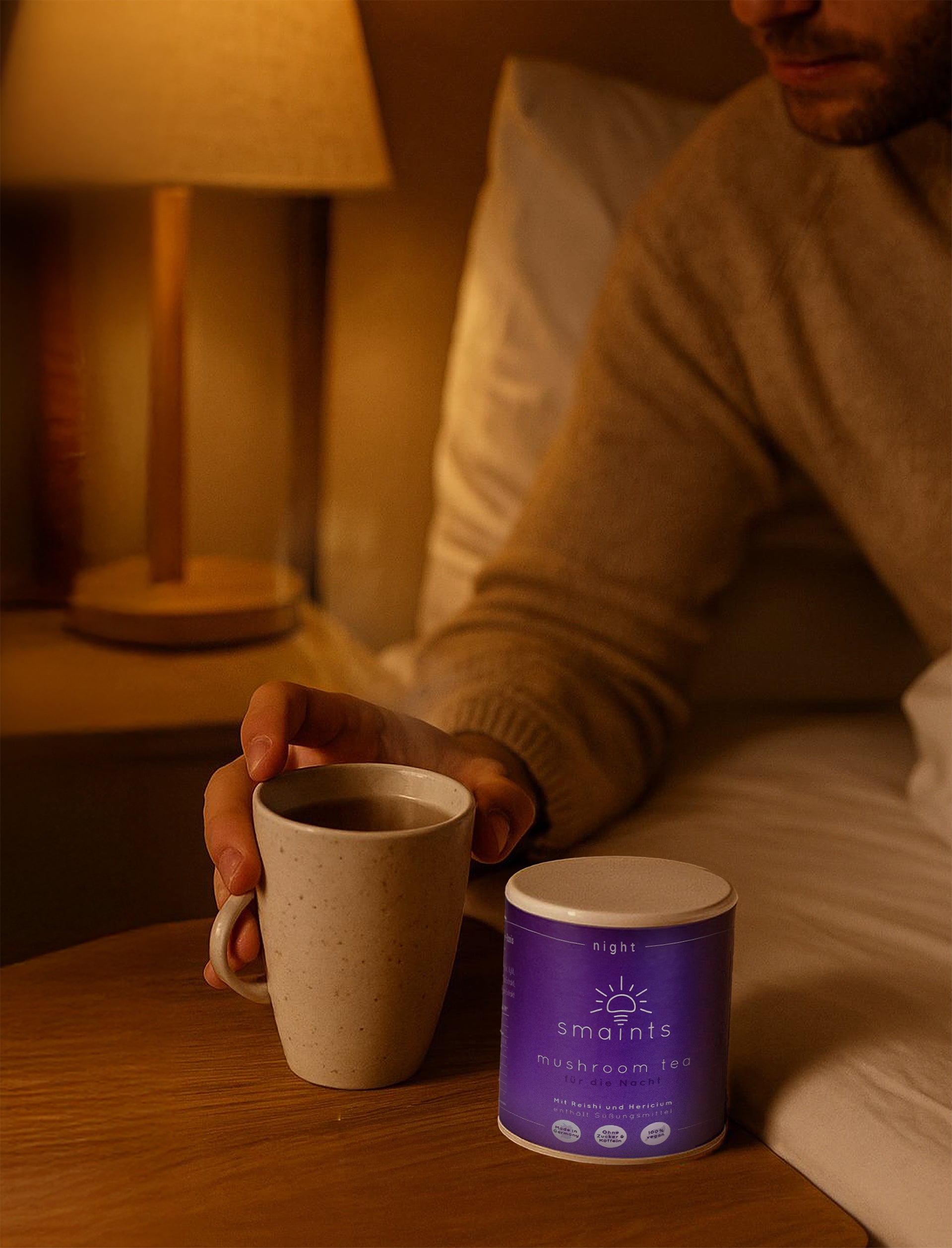
A good night's sleep is key to an energetic day, greater well-being, and balance. Almost every fitness tracker can now measure sleep duration and quality. But how can you improve your sleep? Numerous tips can be found online: dietary supplements, blue light filtering glasses, weighted blankets, sleep guides, and more. Biohackers understand their circadian rhythm, which regulates sleep, and optimize it. The two essential hormones for this rhythm are melatonin and cortisol. These can be influenced by diet, relaxation, and blue light.

Whether school pupils, students, working professionals, or seniors, many people desire better knowledge retention and improved cognitive function. Biohacking aims to help achieve this through several approaches:

It's logical: those who focus more on fitness, meditation, and healthy sleep are often more balanced. For biohackers, a good sense of well-being and a healthy mind are essential for becoming the best version of themselves. A mindful lifestyle helps many reduce stress. Simple tips like putting your smartphone away in the evening improve sleep and reduce stress.
Have you ever heard of the Wim Hof Method? Cold exposure and a special breathing technique are said to help improve the immune system. Initially, this method was met with considerable skepticism. However, scientists have gradually been able to demonstrate that cold exposure does indeed have positive effects on the human body. In particular, medicinal mushrooms, as adaptogens, have also proven to be beneficial for a strong and balanced immune system.
Learn more about the adaptogenic effects of medicinal mushrooms here.

Whether biohacking will actually lead to a longer life is difficult to say. However, it seems sensible, as a healthy lifestyle and fitness reduce the risk of disease. The use of technical measuring devices could also help to better monitor certain health factors and thus detect diseases early. High blood pressure that went undetected for years would be unthinkable for most biohackers, as they frequently check their blood pressure.
Biohackers usually want even more. They consider a lifespan of 120 years in perfect health entirely possible. The continuous optimization of body and mind is believed to be the key to achieving this.
Biohacking is so popular, in part, because anyone can get started. Often, when researching the topic, you'll discover that some of the tricks are already part of everyday life. Other skills can be learned quickly and easily. And the goals of achieving better performance and health are a great motivator. But how do you get started with biohacking? We've compiled some beginner-friendly tips and tricks for you:

There's nothing inherently wrong with healthy food, more exercise, and a mindful lifestyle. However, biohacking can certainly be viewed critically in some respects. For some biohacks, a scientific evaluation is not straightforward.
Most biohackers are not medical professionals. Therefore, it's only logical that their interpretation of medical data isn't always accurate. Misdiagnoses can result. So, if you notice something unusual in your test results, don't self-diagnose; consult a doctor or naturopath. The same applies to self-medicating with a whole cocktail of supplements. Too much, and too diverse a mix, can do more harm than good. Always research potential interactions and recommended dosages.
Caution is also advised with extreme diets, as these can quickly lead to nutrient deficiencies. For example, a ketogenic diet severely restricts food choices. Certain fruits and vegetables are then excluded from the diet, along with important vitamins, phytochemicals, and antioxidants.
With all the tools and gadgets offered to biohackers, you should always ask yourself if they're really necessary. Biohacking has become a real trend, and the industry has recognized this, making a lot of money from self-optimization. Even if, for example, blue light filtering glasses are very unlikely to harm your health, you don't necessarily need them. You can also avoid using electronic devices with light before going to sleep, which will also save you money.
Finally, self-optimization can also turn into a dangerous health obsession or a need for control. Collecting ever more data, striving to be perfect and more efficient – that can be incredibly stressful. To prevent your biohacking from ending in frustration, never forget: Nobody's perfect, and you don't have to be either!
Biohacking describes the optimization of one's own biology with the goal of creating the best version of oneself. Various methods are used to improve one's system. Biohackers often measure health data such as pulse, blood pressure, sleep quality, and more. They adjust their eating habits, increase their fitness, ensure restful sleep, and achieve greater inner balance. Tools like binaural beats, dietary supplements, or bulletproof coffee are said to improve concentration or strengthen the immune system. Some biohacks are even supported by science, while evidence is lacking for others. Decide for yourself which tips and tricks you find useful and can incorporate into your daily life. Give it a try!
Even without much prior knowledge, you can start with simple beginner hacks. Gradually, you'll learn more about human biology and physiology. Through biohacking, you'll get to know yourself and your body better. With this knowledge, you can work on yourself and get more out of your potential. However, self-optimization isn't always without risks. Here's how you can avoid them: critically question tips, trust only certified experts, and avoid excessive perfectionism.
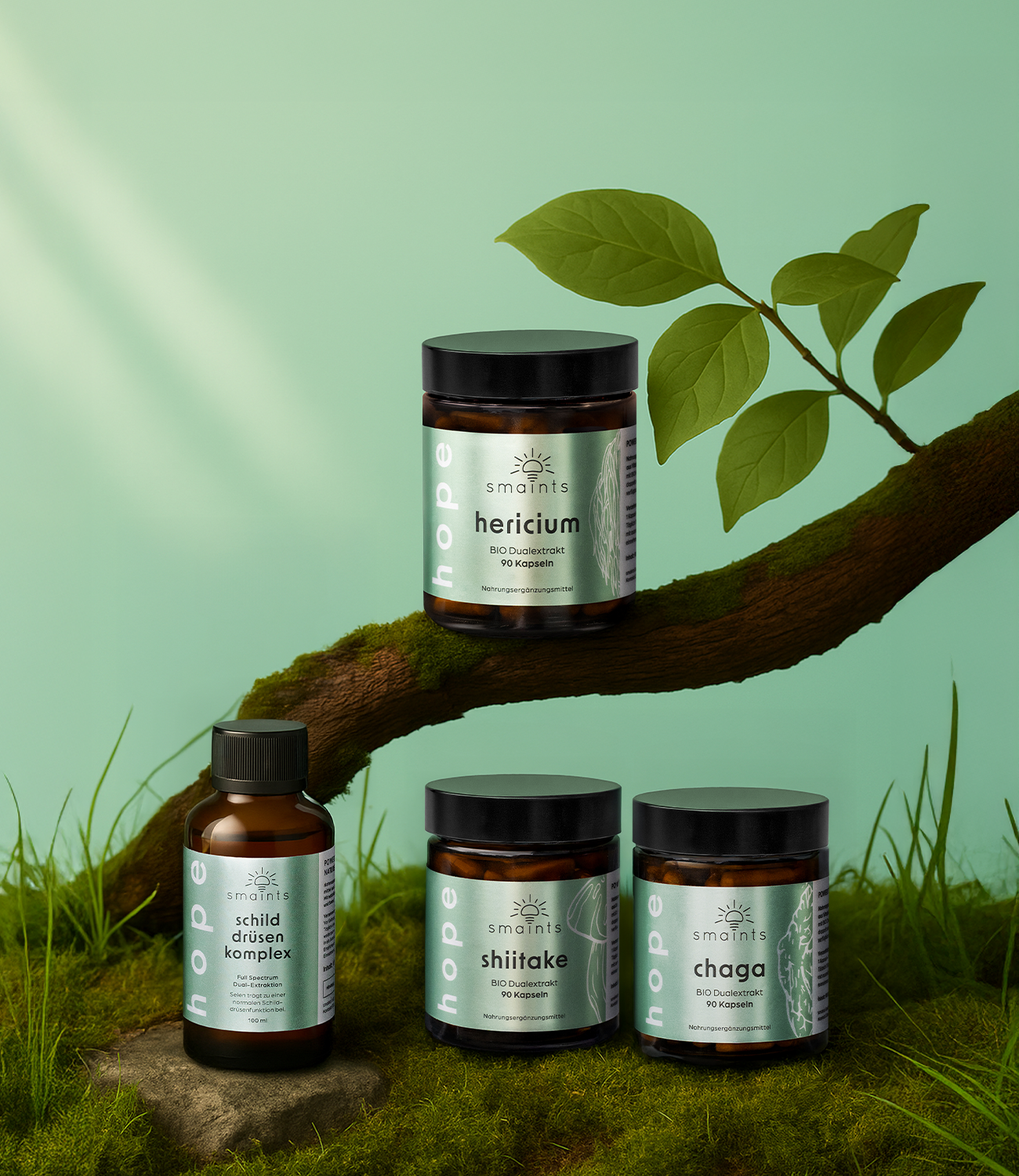
At smaints, we support your biohacking goals with a variety of effective medicinal mushroom products. Depending on your individual needs, we offer different products that can optimize your biological system. Learn more about the effects of medicinal mushrooms on our blog.


Beantworte 6 kurze Fragen zu deinen Zielen und deinem Alltag.


Organic functional mushrooms
from Europe

Scientifically developed - tradition meets modernity

Suitable for everyday use & delicious

Independently laboratory tested
in Germany